
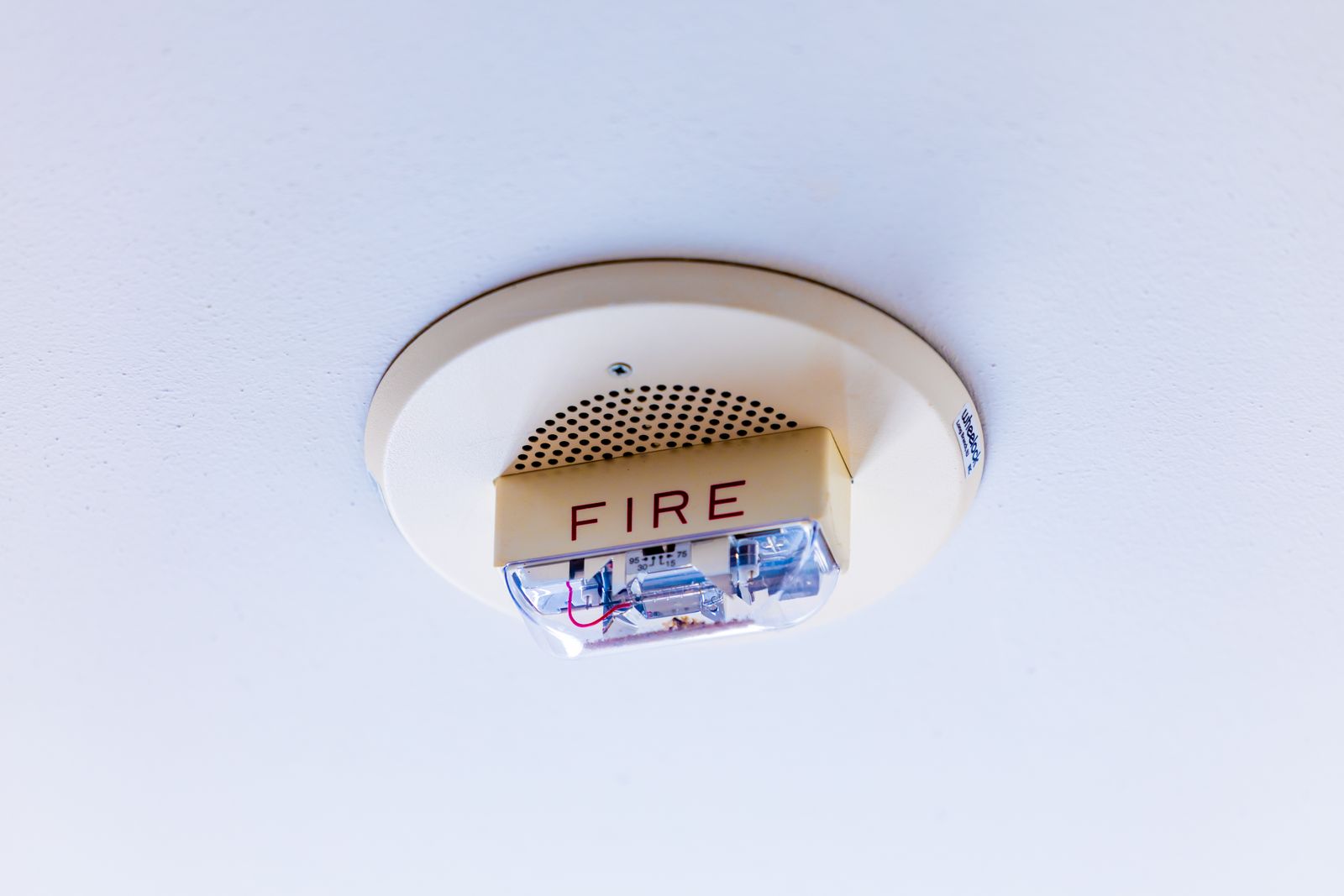
Carbon Monoxide Detector Installation · Minneapolis, MN
Carbon Monoxide Detector Installation in Minneapolis, MN
Carbon monoxide detector installation adds hardwired, interconnected CO alarms near sleeping areas and on each level, so a leak from a furnace, water heater, generator or attached garage sets off every alarm in the home.
- Call now to check electrician availability in your area
- Independent, licensed electricians
- Serving Longfellow, Powderhorn, Northeast and more
Why carbon monoxide detector installation comes up in Minneapolis
Minnesota law requires a carbon monoxide alarm within 10 feet of every sleeping room in single-family and multi-family homes, and nearly every Minneapolis house has a gas furnace or boiler running for months each winter. Duplexes need alarms in each unit, and the city's rental licensing inspections check for them. Combination smoke and CO alarms simplify installation, and renovations under permit typically call for hardwired, interconnected units.
Snow can block high-efficiency furnace vents on the side of the house, which is another reason working alarms matter. Permits come from the city or the state.
- Generators must be placed outdoors away from windows and doors because of carbon monoxide risk.
- Minnesota requires smoke alarms in homes and carbon monoxide alarms within 10 feet of each sleeping room, and Minneapolis duplexes and older homes in Longfellow, Powderhorn and Northeast need alarms in each unit.
- Permits in Minneapolis
- Electrical permits and inspections in Minneapolis are handled by the Minnesota Department of Labor and Industry (DLI), which also licenses electricians; building permits for the same project still come from the city.
- Electric utility
- Xcel Energy
Signs to look for
- Gas furnace, boiler, water heater or range in the home
- An attached garage
- A generator used during outages
- Old alarms past their replacement date
- Renovations or a sale that require updated alarms
How the work is done
1. Plan locations
The electrician maps required locations under local code, usually outside sleeping areas and on each level.
2. Run wiring
Interconnect wiring is fished through walls and ceilings from an existing circuit.
3. Install and interconnect
Hardwired alarms with battery backup are mounted and linked together.
4. Test
Every alarm is tested to confirm one sets off all.
What moves the price in Minneapolis
Electricians set their own prices. Older homes often have small services, few outlets and knob-and-tube.
- Number of alarms and levels
- Ceiling and attic access
- Combination smoke/CO units versus separate alarms
- Plaster or finished ceilings
- Permit requirements
Carbon Monoxide Detector Installation in Minneapolis: questions
Do I need a permit for carbon monoxide detector installation in Minneapolis?
Usually, yes. Electrical permits and inspections in Minneapolis are handled by the Minnesota Department of Labor and Industry (DLI), which also licenses electricians; building permits for the same project still come from the city. The electrician normally pulls the permit and schedules the inspection.
Is the utility involved in Minneapolis?
If the work affects the meter or service, the electrician coordinates with Xcel Energy, which owns the meter and service drop.
Where should CO detectors go?
Usually outside each sleeping area and on every level, following the manufacturer and local code.
Are carbon monoxide detectors required?
Most states require them in homes with fuel-burning appliances or attached garages. Rules vary, so check local requirements.
Can I get a combination smoke and CO alarm?
Yes. Combination units cover both hazards in one device and can be hardwired and interconnected.
How long do CO alarms last?
Many last 7 to 10 years; check the date on the alarm.
Related help in Minneapolis
Carbon Monoxide Detector Installation in other cities
Need carbon monoxide detector installation in Minneapolis?
Call now and we connect you with a licensed electrician who serves your ZIP code.