
Installation
Standby generator installation
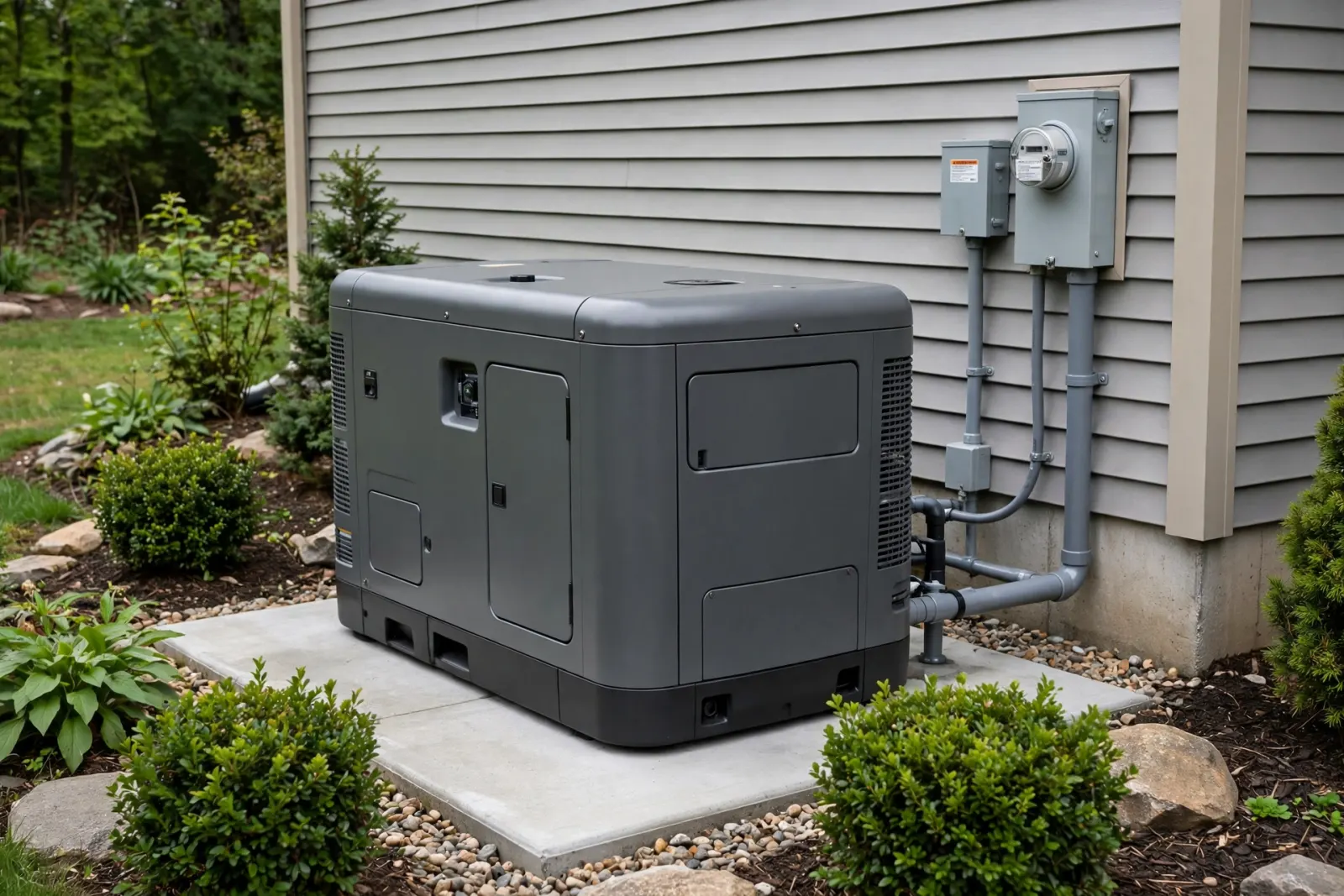
A standby generator is a permanently installed unit, usually fueled by natural gas or propane, that starts on its own when the power goes out and switches your home over through an automatic transfer switch.
- Call now to check electrician availability in your area
- Licensed, independent electricians
- 48 states + DC
About standby generator installation
Unlike a portable generator, a standby unit sits on a pad outside the home, runs a self-test each week, and takes over within seconds of an outage without anyone being home. It can power selected circuits or, if sized for it, the whole house including central air.
Installation combines electrical, fuel and site work: an automatic transfer switch at or near the panel, a gas line or propane tank sized for the unit, and a placement that meets the manufacturer's and local code clearances from windows, doors and property lines.
- Standby Generator Installation at a glance
- Installation
- Who does the work
- An independent licensed electrician
- Urgent calls
- Usually scheduled
- Typical first step
- Load and site review
Signs you need this
- Outages that last a day or more in your area
- Medical equipment, sump pumps or home offices that cannot lose power
- No one home to set up a portable generator during storms
- Wanting central air or heat to run during outages
- Natural gas already at the home
What the electrician does
- 1
Load and site review
The electrician decides which circuits to back up, sizes the unit, and picks a compliant spot outdoors.
- 2
Permits and fuel
Electrical and, often, gas or propane permits are pulled, and the fuel supply is checked for capacity.
- 3
Install unit and transfer switch
The pad, generator, automatic transfer switch and wiring are installed; a gas fitter connects the fuel.
- 4
Inspection and startup
The work is inspected, the unit is started, and the transfer is tested.
What affects the cost
Electricians set their own prices. These are the factors that move a quote up or down, so you can compare like for like.
- Generator size in kilowatts
- Whole-house versus essential-circuit transfer switch
- Distance from the panel and gas meter
- Gas meter or propane tank upgrades
- Pad, placement and HOA or flood-elevation requirements
- Permits and gas work
What you can do safely, and when to stop
Safe to do
- ✓ List the appliances you want to keep running
- ✓ Check HOA rules on placement
Stop and call
- ✕ Do not connect a generator to the house without a transfer switch or interlock
- ✕ Do not run gas lines yourself
Standby Generator Installation FAQ
What size standby generator do I need?
It depends on what you want to run. Essential circuits may need a smaller unit; whole-house backup with central air needs more. A load calculation decides.
Standby or portable generator?
A portable generator with an inlet and interlock costs less but has to be set up and refueled by hand. A standby unit starts and switches over by itself.
Can a standby generator run on propane?
Yes. Most run on natural gas or propane; the fuel supply must be sized for the unit.
How close to the house can it go?
Manufacturers and local codes set clearances from windows, doors, vents and property lines; the installer follows both.
Do standby generators need maintenance?
Yes. They self-test regularly and need periodic oil, filter and battery service.
Where electricians offer this
Local guides to standby generator installation in cities where local housing makes it a common job:
By state:
Available through our network in 48 states and DC. Metro guides:
Related services
Generator Installation
A generator must connect through a transfer switch or an approved interlock so it can never feed power back into utility lines.
Learn more →Generator Interlock Kit Installation
A generator interlock kit is a mechanical slide on the main panel that prevents the main breaker and the generator breaker from being on at the same time.
Learn more →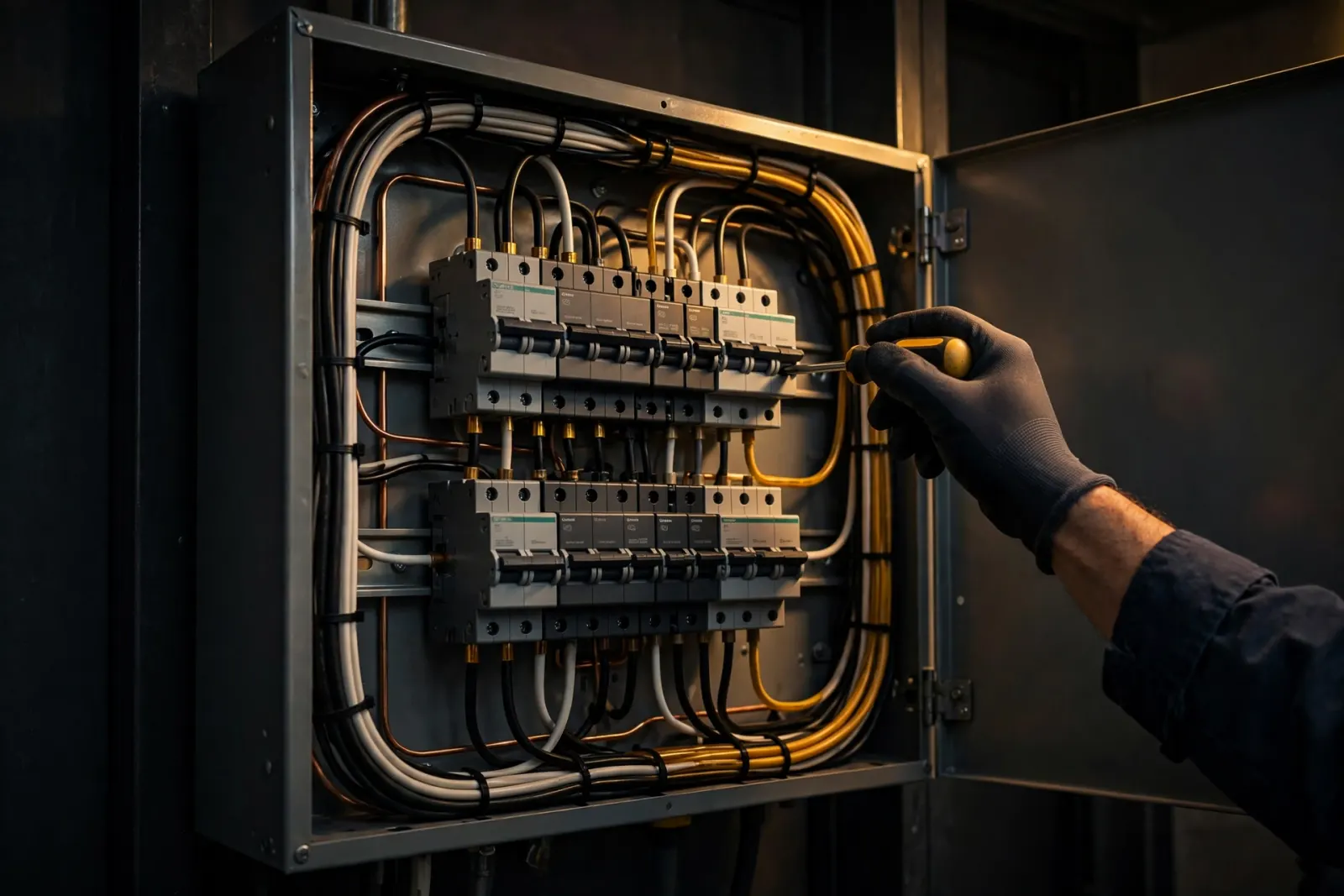
Electrical Panel Upgrade
A panel upgrade replaces your breaker panel, and often the service entrance, so the home can safely carry more load: an EV charger, heat pump, induction range or addition.
Learn more →Need help with standby generator installation?
Call now and we connect you with a licensed electrician who serves your ZIP code.