
Repair & troubleshooting
Service mast and meter base repair
Service mast repair fixes the pipe, weatherhead and meter base that bring the utility's overhead line into your home. When storms or falling limbs damage them, a licensed electrician usually has to repair them before the utility will restore power.
- Call now to check electrician availability in your area
- Licensed, independent electricians
- 48 states + DC
About service mast and meter base repair
On a home with overhead service, the utility's drop runs to a weatherhead on top of a metal mast, down through the mast to the meter base, and from there to your panel. In most areas, the utility owns the drop and the meter, while the mast, weatherhead, meter base and service entrance cable belong to the homeowner.
That split matters after a storm. If a limb pulls the line down and bends the mast or tears the meter base off the wall, the utility can make the area safe, but it typically will not reconnect until an electrician repairs the homeowner's side and, in many places, the work passes inspection.
- Service Mast and Meter Base Repair at a glance
- Repair & troubleshooting
- Who does the work
- An independent licensed electrician
- Urgent calls
- Yes, call for same-day help when available
- Typical first step
- Make it safe
Signs you need this
- A service mast bent, leaning or pulled away from the roof or wall
- A meter base hanging loose, cracked or rusted through
- A torn or sagging line where it meets the house
- Flickering lights or partial power after a storm
- The utility telling you to have an electrician repair the service before reconnecting
What the electrician does
- 1
Make it safe
Stay clear of downed or sagging lines and call the utility first. The electrician assesses the damage once the area is safe.
- 2
Coordinate with the utility
The electrician confirms who owns which parts and arranges the disconnect, inspection and reconnect.
- 3
Repair or replace
The mast, weatherhead, meter base and service entrance cable are repaired or replaced, often to current code, which can mean a taller mast or new grounding.
- 4
Inspection and reconnect
Where required, the work is inspected, then the utility reconnects the drop and reinstalls the meter.
What affects the cost
Electricians set their own prices. These are the factors that move a quote up or down, so you can compare like for like.
- Whether the mast, meter base or both need replacing
- Damage to the roof or siding where the mast mounts
- Bringing grounding and clearances up to current code
- Whether a service upgrade is done at the same time
- After-hours or storm-surge demand
- Permit and inspection fees
What you can do safely, and when to stop
Safe to do
- ✓ Photograph the damage from a safe distance for insurance
- ✓ Report downed lines to the utility right away
Stop and call
- ✕ Never touch or move a downed or sagging line
- ✕ Never try to straighten a mast or reattach a meter base yourself
Service Mast and Meter Base Repair FAQ
Who pays to fix a damaged service mast?
In most areas the mast, weatherhead and meter base belong to the homeowner, so repair is the owner's cost, though homeowners insurance often covers storm damage. Check your utility's rules and your policy.
Will the utility fix my meter base?
Usually not. Utilities generally own the meter and the line, not the meter base or mast. They make the area safe and reconnect once the repair is done.
Can I get power back before the mast is repaired?
Typically no. Most utilities will not reconnect to damaged equipment on the house.
Is a damaged service mast an emergency?
A pulled-down line or exposed wiring is dangerous. Stay away, call the utility, then call an electrician.
Does the repair need a permit?
In many jurisdictions it does, and the utility may require an inspection before it reconnects.
Where electricians offer this
Local guides to service mast and meter base repair in cities where local housing makes it a common job:
By state:
Available through our network in 48 states and DC. Metro guides:
Related services
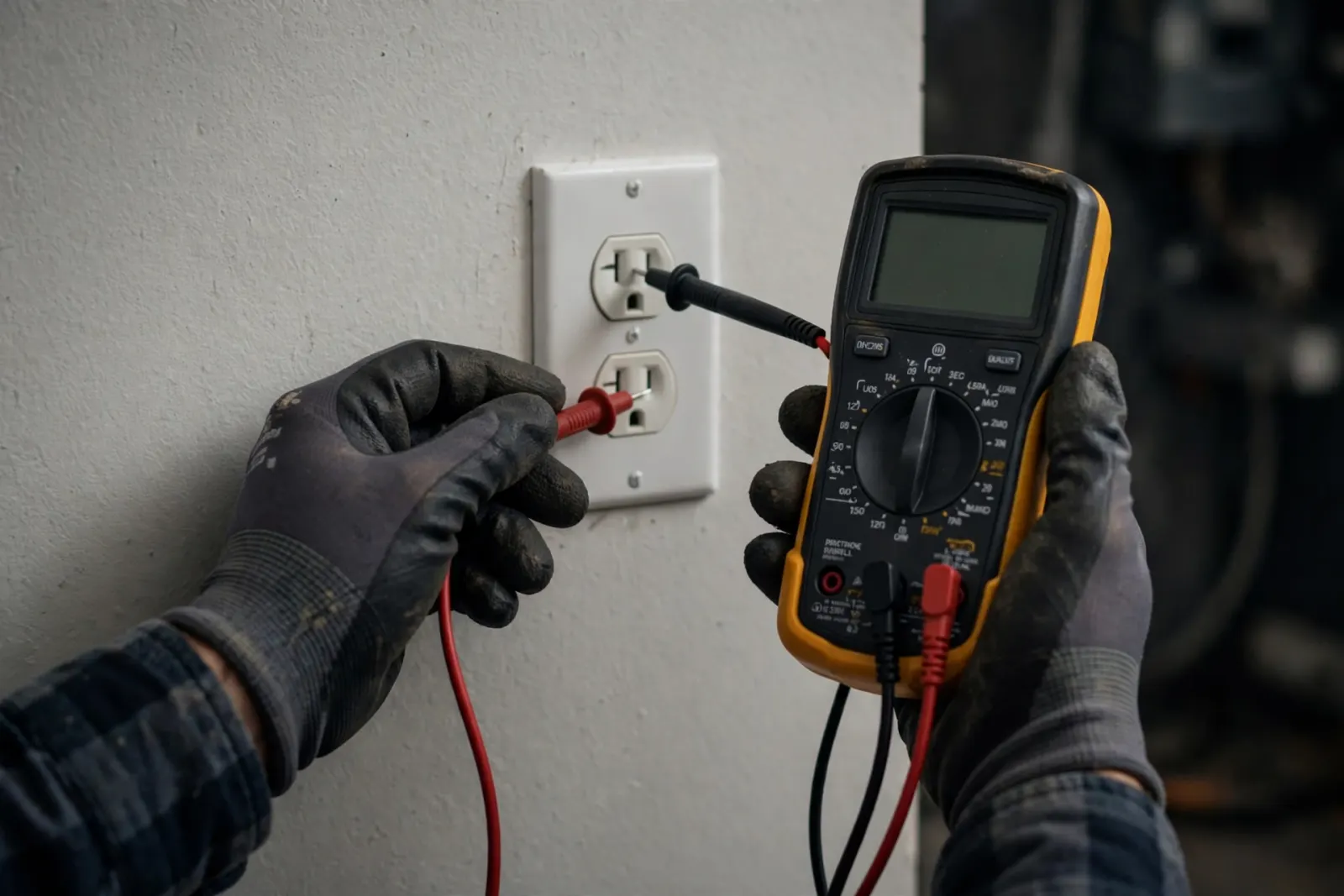
Electrical Repair & Troubleshooting
Dead outlets, flickering lights and tripping breakers usually come from a loose connection, a failed device, an overloaded circuit or a tripped GFCI somewhere upstream.
Learn more →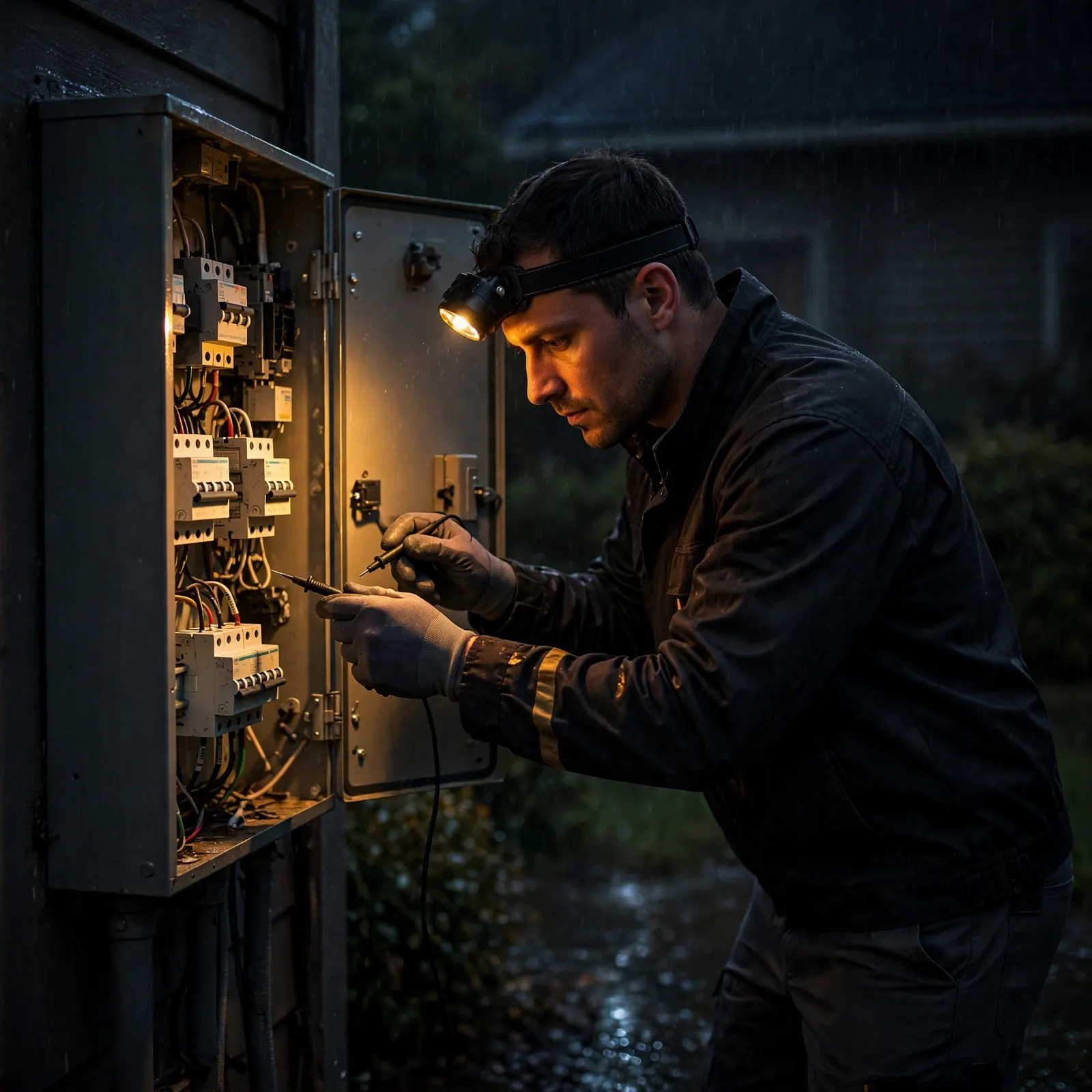
Emergency Electrician
Call an electrician right away if you smell burning plastic, see sparks or scorch marks, hear buzzing from a panel or outlet, or lose power to part of the house with no tripped breaker.
Learn more →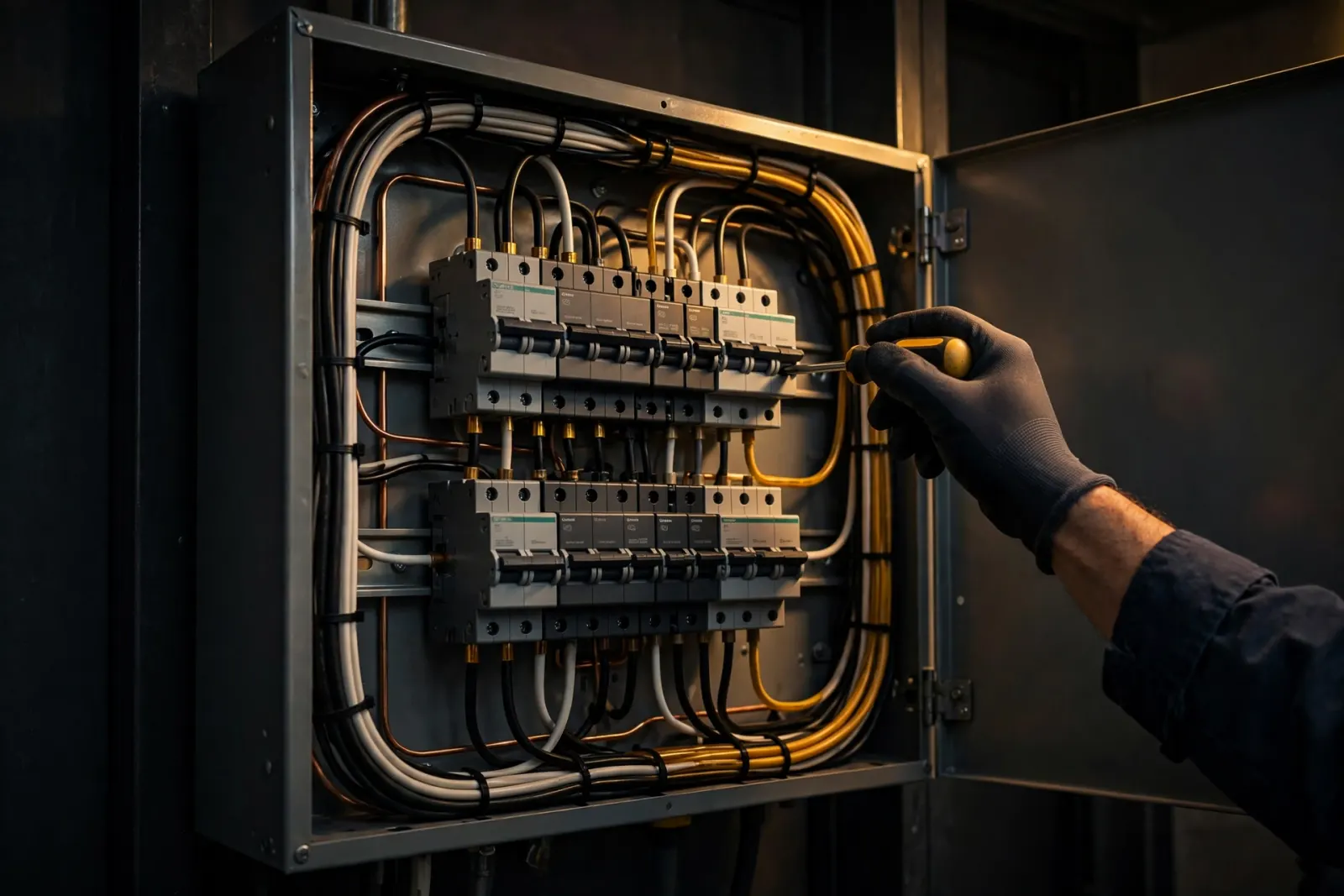
Electrical Panel Upgrade
A panel upgrade replaces your breaker panel, and often the service entrance, so the home can safely carry more load: an EV charger, heat pump, induction range or addition.
Learn more →Need help with service mast and meter base repair?
Call now and we connect you with a licensed electrician who serves your ZIP code.