
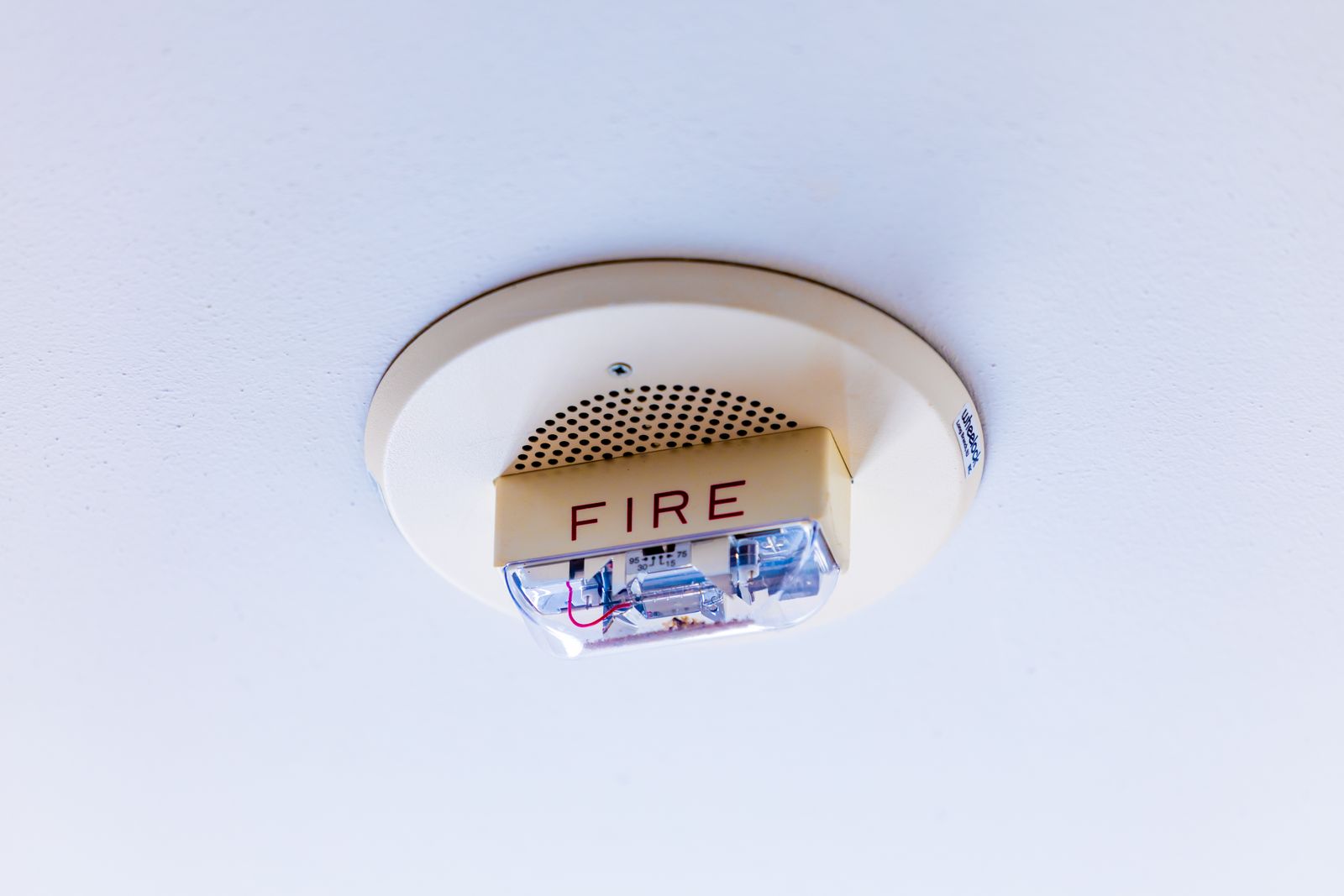
Carbon Monoxide Detector Installation · New York, NY
Carbon Monoxide Detector Installation in New York, NY
Carbon monoxide detector installation adds hardwired, interconnected CO alarms near sleeping areas and on each level, so a leak from a furnace, water heater, generator or attached garage sets off every alarm in the home.
- Call now to check electrician availability in your area
- Independent, licensed electricians
- Serving Manhattan, Brooklyn, Queens and more
Why carbon monoxide detector installation comes up in New York
Most New York City apartments and houses rely on gas ranges, and many buildings have gas or oil boilers in the cellar, so carbon monoxide alarms are required throughout the city, with landlords responsible for installing them in multiple dwellings and tenants for keeping them working. City rules call for alarms within 15 feet of each bedroom door. In townhouses and walk-ups with plaster ceilings, hardwired alarms take careful routing; where code allows, sealed ten-year battery units are used.
Staten Island and Queens homes with attached garages need protection near the garage door too. Renovation wiring must be filed with the Department of Buildings.
- New York City requires smoke alarms and carbon monoxide alarms in homes, and landlords in multiple dwellings must install them in each unit while tenants keep them working.
- Gas ranges, boilers and water heaters make CO alarms essential near sleeping areas.
- Permits in New York
- Electrical work in New York City is filed with the Department of Buildings by a licensed master electrician. Co-op and condo buildings usually add their own alteration agreement on top.
- Electric utility
- Con Edison (the Rockaways in Queens: PSEG Long Island)
Signs to look for
- Gas furnace, boiler, water heater or range in the home
- An attached garage
- A generator used during outages
- Old alarms past their replacement date
- Renovations or a sale that require updated alarms
How the work is done
1. Plan locations
The electrician maps required locations under local code, usually outside sleeping areas and on each level.
2. Run wiring
Interconnect wiring is fished through walls and ceilings from an existing circuit.
3. Install and interconnect
Hardwired alarms with battery backup are mounted and linked together.
4. Test
Every alarm is tested to confirm one sets off all.
What moves the price in New York
Electricians set their own prices. Prewar buildings frequently have shared risers and small apartment panels.
- Number of alarms and levels
- Ceiling and attic access
- Combination smoke/CO units versus separate alarms
- Plaster or finished ceilings
- Permit requirements
Carbon Monoxide Detector Installation in New York: questions
Do I need a permit for carbon monoxide detector installation in New York?
Usually, yes. Electrical work in New York City is filed with the Department of Buildings by a licensed master electrician. Co-op and condo buildings usually add their own alteration agreement on top. The electrician normally pulls the permit and schedules the inspection.
Is the utility involved in New York?
If the work affects the meter or service, the electrician coordinates with Con Edison (the Rockaways in Queens: PSEG Long Island), which owns the meter and service drop.
Where should CO detectors go?
Usually outside each sleeping area and on every level, following the manufacturer and local code.
Are carbon monoxide detectors required?
Most states require them in homes with fuel-burning appliances or attached garages. Rules vary, so check local requirements.
Can I get a combination smoke and CO alarm?
Yes. Combination units cover both hazards in one device and can be hardwired and interconnected.
How long do CO alarms last?
Many last 7 to 10 years; check the date on the alarm.
Related help in New York
Carbon Monoxide Detector Installation in other cities
Need carbon monoxide detector installation in New York?
Call now and we connect you with a licensed electrician who serves your ZIP code.