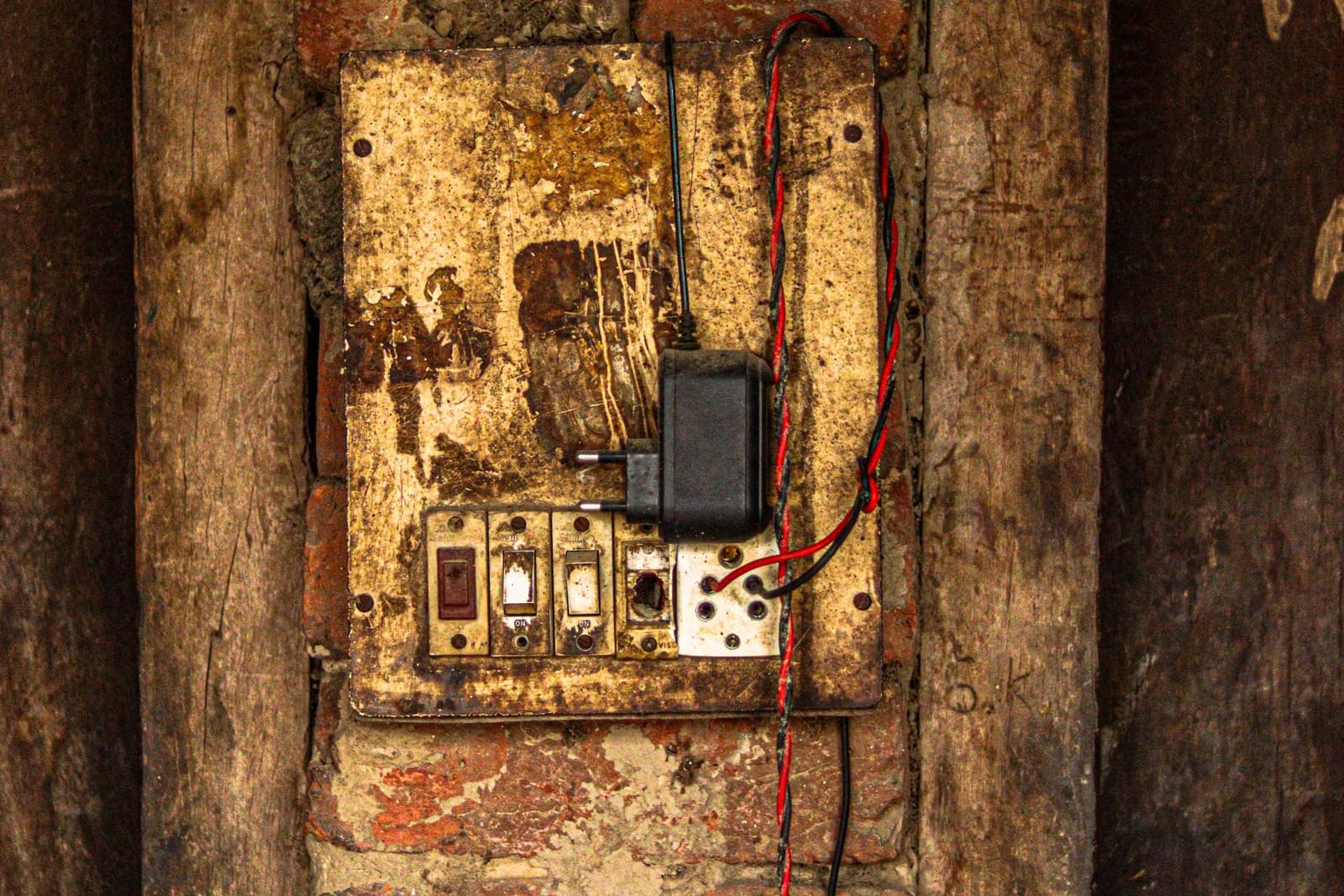
German Village and Victorian Village brick homes and Clintonville houses from the early 1900s often still have fuse boxes in the basement, sometimes alongside a small breaker subpanel added later. Lenders and insurers frequently ask about them.
Older homes often have small services, ungrounded outlets and leftover knob-and-tube, and renovations commonly uncover them. Basements hold panels, sump pumps and laundry, so moisture and flooding affect electrical planning.
Fuse boxes are still found in many Cleveland homes, especially two-family houses in Tremont, Slavic Village and Old Brooklyn, often one per unit in the basement. Insurers, lenders and the city's point-of-sale inspections in nearby suburbs frequently raise them.
Doubles typically have two services and two meters, often in a damp basement. Renovations of older homes usually uncover outdated wiring, and adding central air or a modern kitchen often needs more capacity.
Fuse boxes are still common in Cincinnati's older homes and multi-family buildings, often one per unit in a basement on a steep hillside lot, and insurers and lenders frequently ask about them. Replacing them means new breaker panels and, in most cases, upgraded services with new meter bases that Duke Energy Ohio must approve.
Older homes often have knob-and-tube, fuse boxes or small services, and multi-family conversions have split old buildings into several small services. Hillside lots can make service drops and outdoor equipment harder to reach.
Victorian and early-1900s homes in the Oregon District, St. Anne's Hill and Dayton View still turn up with fuse boxes and decades of add-on circuits. Fuse panels in these homes usually come with small services, so replacement is commonly combined with an upgrade, and the electrician checks for knob-and-tube behind the old fuses.
Older homes often have knob-and-tube, fuse boxes or small services, and basements hold panels and sump pumps. Storm repairs and renovations frequently uncover outdated wiring.
Fuse boxes are still common in Toledo's older homes in the Old West End, Vistula and the north end, often next to a 60 amp service in the basement, and insurers and lenders regularly ask about them. Replacing one means a breaker panel and, in most cases, an upgrade to 100 or 200 amps with a new meter base, which Toledo Edison must approve and reconnect.
Large Old West End homes often have knob-and-tube, multiple panels from conversions and decades of add-on circuits. Mid-century houses tend to have small panels that cannot take central air or an EV charger without an upgrade.
Fuse boxes are still found in many Akron homes built before 1950, particularly in Goodyear Heights, Firestone Park and Kenmore, usually in the basement next to a 60 amp service. Insurers and lenders often ask about them.
Many homes were built in a short boom period and share similar layouts: small services, limited outlets and some knob-and-tube. Basements hold panels and sump pumps, and adding central air or a modern kitchen usually needs more capacity.