
Skip to content

Nationwide · Licensed electricians in 48 states + DC

Brightlane Electric

Fuse Box Replacement · Pennsylvania

Fuse Box Replacement in Pennsylvania

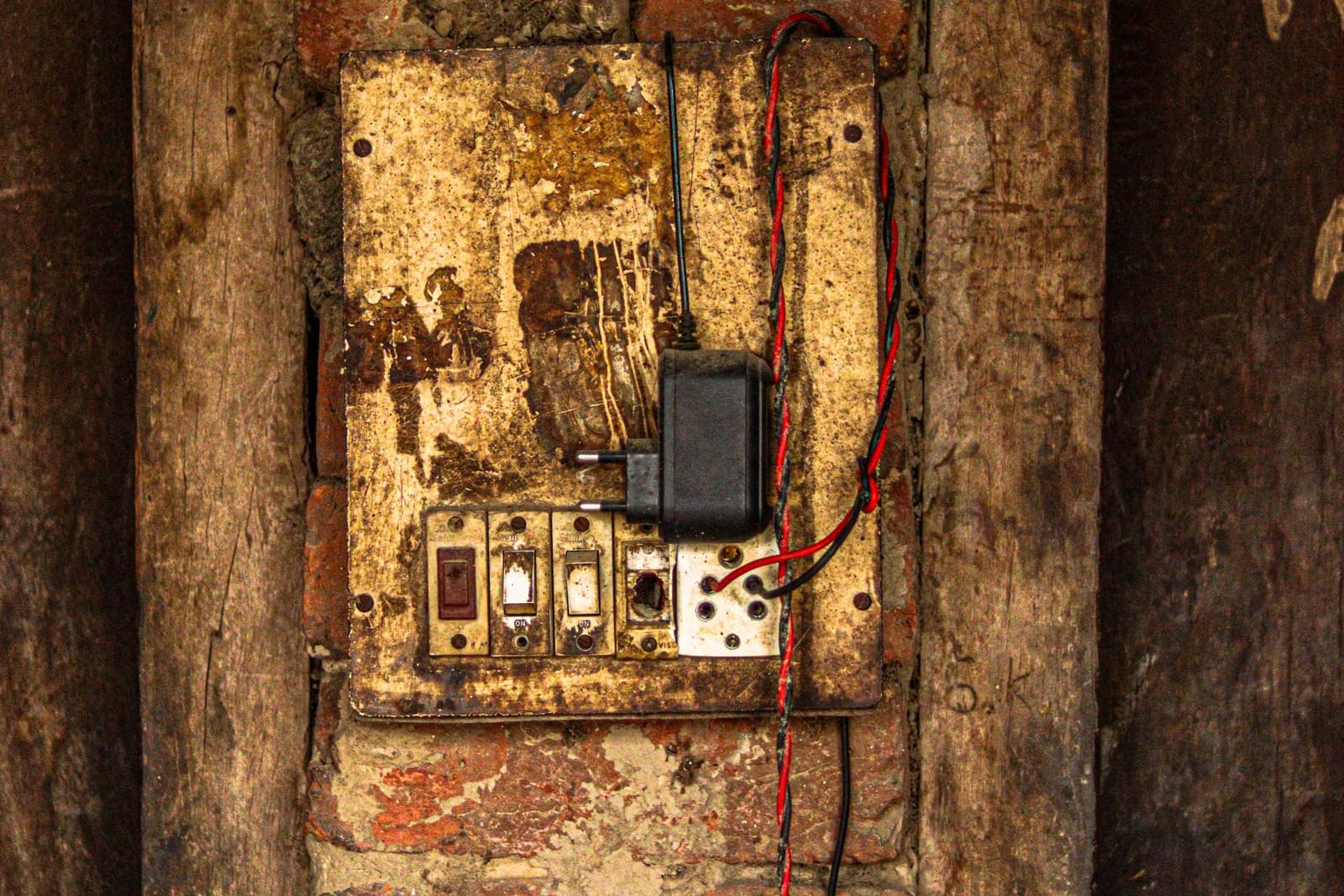
Fuse box replacement swaps an old screw-in or cartridge fuse panel for a modern circuit breaker panel, usually with a service upgrade at the same time. It needs a permit, a utility disconnect and an inspection.

  • Call now to check electrician availability in your area
  • Independent, licensed electricians
  • Local notes for 4 Pennsylvania cities

Fuse Box Replacement across Pennsylvania

Fuse Box Replacement in Philadelphia, PA

Fuse boxes are still common in Philadelphia rowhouses, often in the basement next to a 60 amp meter, and insurers and lenders regularly ask about them. Replacing one usually means installing a breaker panel and, in most cases, upgrading to 100 or 200 amps with a new meter base, which PECO must approve and reconnect.

Rowhome panels are often in the basement near the front wall, and service upgrades need coordination with PECO. Adding central air, a kitchen remodel or a basement finish usually triggers a service upgrade.

Fuse Box Replacement in Pittsburgh, PA

Fuse boxes are still found in many Pittsburgh rowhouses and older homes, usually next to a 60 amp service in the basement, and insurers and lenders regularly ask about them. Replacing one means a breaker panel and, in most cases, an upgrade to 100 or 200 amps with a new meter base and service mast, which Duquesne Light must approve.

Steep lots, stone foundations and damp basements shape where panels and wiring can go. Renovations in older neighborhoods almost always uncover wiring that needs updating, and adding central air often requires a service upgrade.

Fuse Box Replacement in Allentown, PA

Screw-in fuse panels are still common in Allentown rowhouse basements, usually beside a 60 amp meter, and lenders and insurers regularly ask about them during sales. Replacing one means installing a breaker panel and, in most cases, upgrading to 100 or 200 amps with a new meter base that PPL Electric Utilities must approve and reconnect.

Rowhouses often have knob-and-tube or cloth wiring, 60 amp services and few outlets, and many have been divided into apartments. Narrow lots and shared walls limit routes for new wiring and outdoor equipment.

Fuse Box Replacement in Scranton, PA

Fuse boxes are still common in Scranton homes built before 1950, often next to a 60 amp service in a stone-walled basement, and converted Hill Section houses may have one per apartment. Insurers and lenders frequently ask about them.

Older homes often have knob-and-tube, cloth wiring and small services, and many large houses were split into apartments with separate meters. Basements near the river face flooding. Steep streets and hillside lots affect where service drops and meters can go, and many homes heat with gas boilers.

What fuse box replacement involves

Fuse boxes were standard in homes built before about the 1960s. A fuse that blows has to be replaced, and the most common hazard is a homeowner installing a larger fuse than the wire is rated for, which lets the wiring overheat instead of protecting it.

Many insurers ask whether a home still has fuses, and some will not write a policy until the panel is replaced. Because fuse boxes usually come with a 30 to 60 amp service, the replacement is often combined with a service upgrade so the home can support modern appliances.

Signs to look for

  • Fuses that blow when the microwave or a space heater runs
  • Fuses larger than the circuit wiring (for example a 30 amp fuse on a lighting circuit)
  • An insurer asking about or refusing a fuse panel
  • Planning central air, an EV charger or a kitchen remodel
  • Pennies, foil or other makeshift fixes behind fuses

What moves the price

  • Whether the service size also increases
  • Meter base and service entrance replacement
  • Number of circuits to move
  • Grounding and bonding corrections
  • Old wiring found behind the fuse box
  • Permit and utility fees

Fuse Box Replacement in Pennsylvania: questions

Where in Pennsylvania is fuse box replacement common?

Our local notes cover Philadelphia, Pittsburgh, Allentown, Scranton. Fuse boxes are still common in Philadelphia rowhouses, often in the basement next to a 60 amp meter, and insurers and lenders regularly ask about them.

Who issues permits for fuse box replacement in Pennsylvania?

The city or county building department where the home is. Philadelphia: Electrical permits in Philadelphia are issued by the Department of Licenses and Inspections (L&I) to licensed electrical contractors. Pittsburgh: Electrical permits in Pittsburgh come from the city's Department of Permits, Licenses and Inspections (PLI); surrounding boroughs and townships handle their own. Allentown: Electrical permits inside the city come from the City of Allentown's building standards and safety office; surrounding townships issue their own.

Are fuse boxes illegal?

No. Existing fuse panels are generally allowed to stay, but they cannot be expanded, and many insurers and buyers treat them as a reason to replace.

Is a fuse box less safe than breakers?

Fuses protect circuits well when the right size is used. The risk is that oversized fuses are easy to install, and old fuse boxes often come with small services and aging wiring.

How long does it take to replace a fuse box?

The panel swap is usually done in a day, with permits and the utility reconnect scheduled around it.

Related help in Pennsylvania

Need fuse box replacement in Pennsylvania?

Call now and we connect you with a licensed electrician who serves your ZIP code.

Call now