Skip to content

Nationwide · Licensed electricians in 48 states + DC

Brightlane Electric

Generator Installation · Florida

Generator Installation in Florida

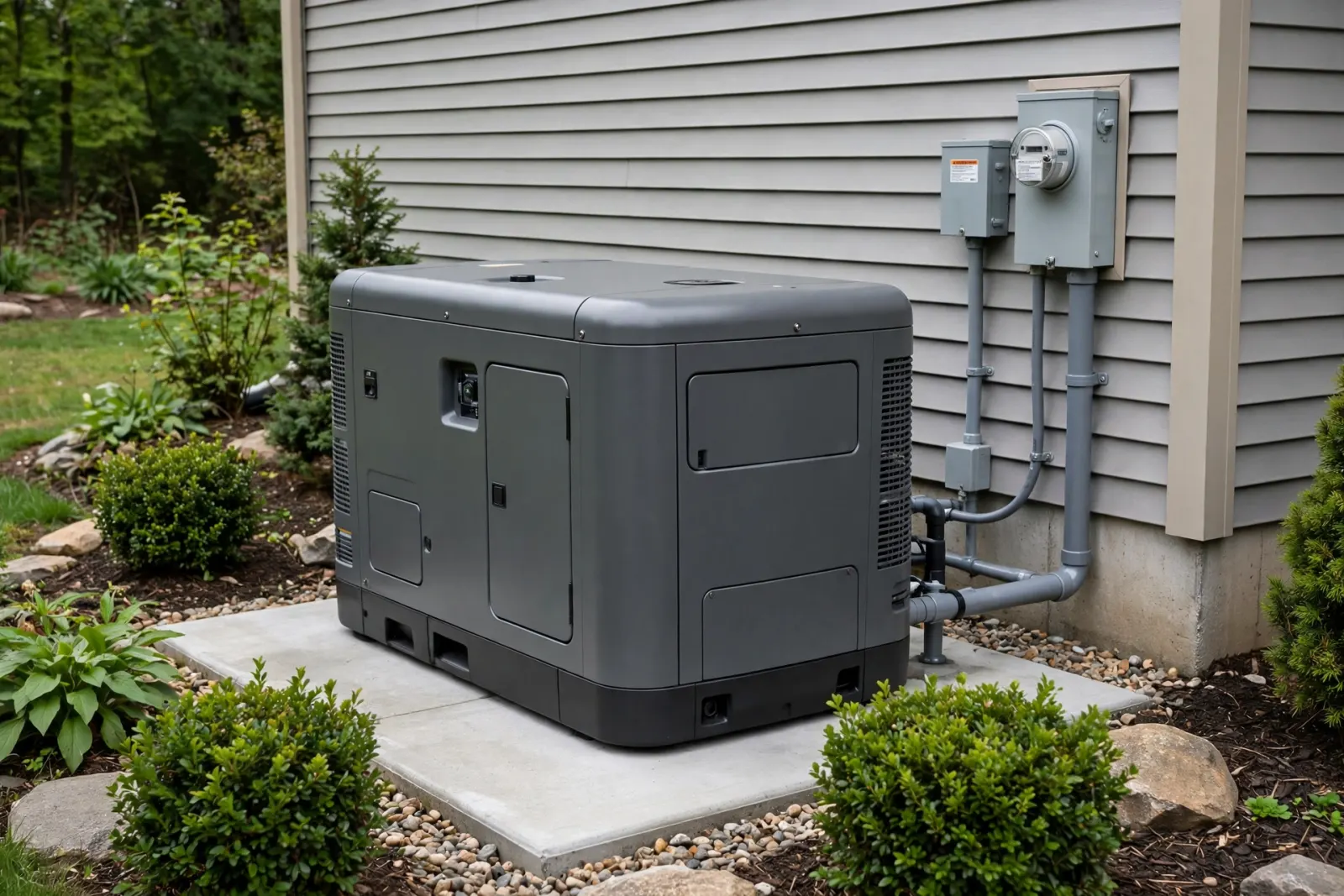
A generator must connect through a transfer switch or an approved interlock so it can never feed power back into utility lines. Electricians install standby generators, portable generator inlets with interlocks, and the transfer equipment for both.

  • Call now to check electrician availability in your area
  • Independent, licensed electricians
  • Local guides for 18 Florida cities

Generator Installation in Florida: what changes city to city

Florida has some of the highest lightning activity in the country, and hurricane season makes surge protection and generators routine.

Across the Southeast, homes deal with heat, humidity, frequent thunderstorms and hurricane season near the coast. Permit offices, utilities and housing stock differ by city, which affects how generator installation is planned and scheduled. These local guides cover the Florida cities where we have written specific notes.

Local guides in Florida

Generator Installation in Miami, FL

Hurricane season makes generators one of the most requested electrical projects in Miami. Options range from a portable-generator inlet with an interlock to a standby generator with an automatic transfer switch.

Utility: Florida Power & Light (FPL)

Generator Installation in Tampa, FL

Hurricane season makes backup power a priority in Tampa, and long outages after recent storms increased demand. A generator inlet with an interlock lets a portable generator power essential circuits safely.

Utility: Tampa Electric (TECO)

Generator Installation in Orlando, FL

Hurricanes Ian in 2022 and Milton in 2024 both caused long outages across the Orlando area, and generator installs have become common. A portable generator connected through an inlet and interlock can run essential circuits safely.

Utility: OUC in the city (city-owned); Duke Energy in much of the metro

Generator Installation in Jacksonville, FL

Hurricane season and summer storms make backup power one of the most common electrical projects in Jacksonville. A generator inlet with an interlock lets a portable generator run essential circuits safely without backfeeding JEA's lines.

Utility: JEA (city-owned)

Generator Installation in Pensacola, FL

Hurricanes Ivan in 2004 and Sally in 2020 both left Pensacola-area homes without power for long stretches, and backup power is now part of storm planning for many families. Standby generators with automatic transfer switches should be placed above expected flood levels and built for salt air, especially near the bay and on the beaches.

Utility: Florida Power & Light (FPL, formerly Gulf Power)

Generator Installation in Fort Lauderdale, FL

Hurricane season makes generators one of the most requested electrical projects in Fort Lauderdale. A standby generator with an automatic transfer switch should be rated for salt air and, in flood-prone areas, mounted above expected water levels.

Utility: Florida Power & Light (FPL)

Generator Installation in Saint Petersburg, FL

Hurricane season makes backup power a priority in St. Petersburg, and in surge-prone neighborhoods a standby generator should be mounted above expected flood levels. A standby unit with an automatic transfer switch needs a gas supply or propane tank, a pad and clearances from openings.

Utility: Duke Energy Florida

Generator Installation in Kissimmee, FL

Hurricanes Ian and Milton both crossed Central Florida and left many Kissimmee homes without power for days. Owners of vacation rentals often want a standby generator with an automatic transfer switch so guests are not left without air conditioning, while full-time residents may choose a portable generator with an outdoor inlet and interlock for essentials.

Utility: Kissimmee Utility Authority (some nearby areas: Duke Energy)

Generator Installation in Lakeland, FL

Hurricanes Ian and Milton both crossed Polk County, and many Lakeland homes were without power for days in the heat. A portable generator connected through an outdoor inlet and a panel interlock can run the refrigerator, fans and a window unit, while a standby generator with an automatic transfer switch, sized for central air, runs automatically.

Utility: Lakeland Electric (city-owned)

Generator Installation in Gainesville, FL

Gainesville's thick tree canopy means hurricanes such as Irma in 2017 bring down limbs and lines across the city, and outages can last days. Many households want backup power for the refrigerator, fans and a window AC unit, which a portable generator can run through an outdoor inlet and panel interlock.

Utility: Gainesville Regional Utilities (GRU, city-owned)

Generator Installation in Tallahassee, FL

Hurricanes Hermine in 2016 and Michael in 2018 both brought down trees across Tallahassee's canopy and left many homes without power for days in the heat. Before the next season, decide which loads matter most: a chest freezer, a well pump on the outskirts, medical devices or a room AC unit.

Utility: City of Tallahassee Utilities (some outlying areas: Talquin Electric Cooperative)

Generator Installation in West Palm Beach, FL

Hurricanes Frances, Jeanne and Wilma left much of Palm Beach County without power for days or weeks in 2004 and 2005, and backup power is now part of storm planning for many West Palm Beach families. Standby generators with automatic transfer switches should be placed above expected flood levels and built for salt air.

Utility: Florida Power & Light (FPL)

Generator Installation in Fort Myers, FL

After Ian left most of Lee County without power, many Fort Myers families added backup power. Standby generators with automatic transfer switches should sit on platforms above expected flood levels and be built for salt air, and many use propane where natural gas is not available.

Utility: Florida Power & Light (FPL)

Generator Installation in Sarasota, FL

After Hurricanes Ian and Milton left many Sarasota homes without power for days, backup power became a priority for many families. Standby generators with automatic transfer switches should sit above expected flood levels and be built for salt air, especially on Siesta Key and Lido Key.

Utility: Florida Power & Light (FPL)

Generator Installation in Daytona Beach, FL

Hurricanes Ian and Nicole in 2022 left many Daytona Beach homes without power, and beachside homes and condos were damaged by surge and erosion. Backup power is now part of storm planning for many families.

Utility: Florida Power & Light (FPL)

Generator Installation in Bradenton, FL

When Milton came ashore just south of Bradenton in October 2024, two weeks after Helene's surge, most of Manatee County lost power, some homes for more than a week. Many families now plan backup power before June.

Utility: Florida Power & Light (FPL)

Generator Installation in Fort Pierce, FL

Hurricanes Frances and Jeanne both came ashore near Fort Pierce within three weeks in 2004, leaving much of St. Lucie County without power for days, and Milton's tornadoes damaged homes in 2024. Many families now keep backup power ready.

Utility: Fort Pierce Utilities Authority (city-owned)

Generator Installation in Naples, FL

Many Naples homeowners added standby generators after Irma in 2017 and Ian in 2022, often sized to run central air through long summer outages. Standby units should sit on platforms above expected flood levels, in enclosures built for salt air, and many use propane where natural gas is not available.

Utility: Florida Power & Light (FPL)
Signs it's time to call

  • Frequent outages from storms, ice or heat
  • Medical equipment, sump pumps or freezers that cannot lose power
  • A portable generator with no safe way to connect
  • Planning a whole-home standby unit

How the job usually goes

  1. 1. Size the load

    Circuits that must stay powered are listed and the generator sized.

  2. 2. Choose the connection

    Inlet and interlock, manual transfer switch or automatic transfer switch.

  3. 3. Install and inspect

    Permitted installation, gas connection by a licensed fitter where needed, and inspection.

What moves the price

Electricians set their own prices; local permit fees and utility requirements add to these factors.

  • Portable inlet versus standby system
  • Generator size
  • Transfer switch type
  • Distance from panel and gas source
  • Pad, permits and inspection

Generator Installation in Florida: questions

Who issues permits for generator installation in Florida?

Permits come from the city or county where the home is. For example: Miami: Permits come from the City of Miami or, in unincorporated areas, Miami-Dade County; other cities in the county have their own building departments. Tampa: Inside city limits, electrical permits come from the City of Tampa's Construction Services Division; unincorporated areas are permitted by Hillsborough County, and Temple Terrace and Plant City run their own. Orlando: Inside city limits, electrical permits come from the City of Orlando's Permitting Services; unincorporated areas are permitted by Orange County, and Winter Park and other cities run their own. Jacksonville: Jacksonville and Duval County share a consolidated government, and electrical permits come from the City of Jacksonville's Building Inspection Division. Pensacola: Inside city limits, electrical permits come from the City of Pensacola's inspection services; unincorporated Escambia County has its own. Fort Lauderdale: Electrical permits in Fort Lauderdale come from the city's Development Services Department; other Broward cities have their own. Saint Petersburg: Electrical permits in St. Petersburg come from the city's building and permitting office; other Pinellas County cities and unincorporated areas have their own. Kissimmee: Electrical permits inside city limits come from the City of Kissimmee's building division; Osceola County handles unincorporated areas, including many vacation-home communities. Lakeland: Electrical permits inside city limits come from the City of Lakeland's building inspection division; Polk County handles unincorporated areas. Gainesville: Electrical permits inside city limits come from the City of Gainesville's building division; Alachua County handles unincorporated areas. Tallahassee: Electrical permits inside the city come from the City of Tallahassee's growth management department; unincorporated Leon County has its own. West Palm Beach: Electrical permits inside city limits come from the City of West Palm Beach's development services; Palm Beach County handles unincorporated areas. Fort Myers: Electrical permits inside city limits come from the City of Fort Myers' community development department; Lee County handles unincorporated areas. Sarasota: Electrical permits inside city limits come from the City of Sarasota's building department; Sarasota County handles unincorporated areas. Daytona Beach: Electrical permits inside city limits come from the City of Daytona Beach's permits and licensing office; Volusia County handles unincorporated areas. Bradenton: Electrical permits inside city limits come from the City of Bradenton's building department; unincorporated Manatee County has its own. Fort Pierce: Electrical permits inside city limits come from the City of Fort Pierce's building department; St. Lucie County handles unincorporated areas. Naples: Electrical permits inside city limits come from the City of Naples' building department; Collier County handles unincorporated areas.

Which utilities are involved in Florida?

Miami: Florida Power & Light (FPL). Tampa: Tampa Electric (TECO). Orlando: OUC in the city (city-owned); Duke Energy in much of the metro. Jacksonville: JEA (city-owned). Pensacola: Florida Power & Light (FPL, formerly Gulf Power). Fort Lauderdale: Florida Power & Light (FPL). Saint Petersburg: Duke Energy Florida. Kissimmee: Kissimmee Utility Authority (some nearby areas: Duke Energy). Lakeland: Lakeland Electric (city-owned). Gainesville: Gainesville Regional Utilities (GRU, city-owned). Tallahassee: City of Tallahassee Utilities (some outlying areas: Talquin Electric Cooperative). West Palm Beach: Florida Power & Light (FPL). Fort Myers: Florida Power & Light (FPL). Sarasota: Florida Power & Light (FPL). Daytona Beach: Florida Power & Light (FPL). Bradenton: Florida Power & Light (FPL). Fort Pierce: Fort Pierce Utilities Authority (city-owned). Naples: Florida Power & Light (FPL).

Is an interlock kit legal?

Listed interlock kits are accepted in many jurisdictions when installed with a permit. Your electrician will know the local rule.

More electrical help in Florida

Generator Installation in other states

Need generator installation in Florida?

Call now and we connect you with a licensed electrician who serves your ZIP code.

Call now