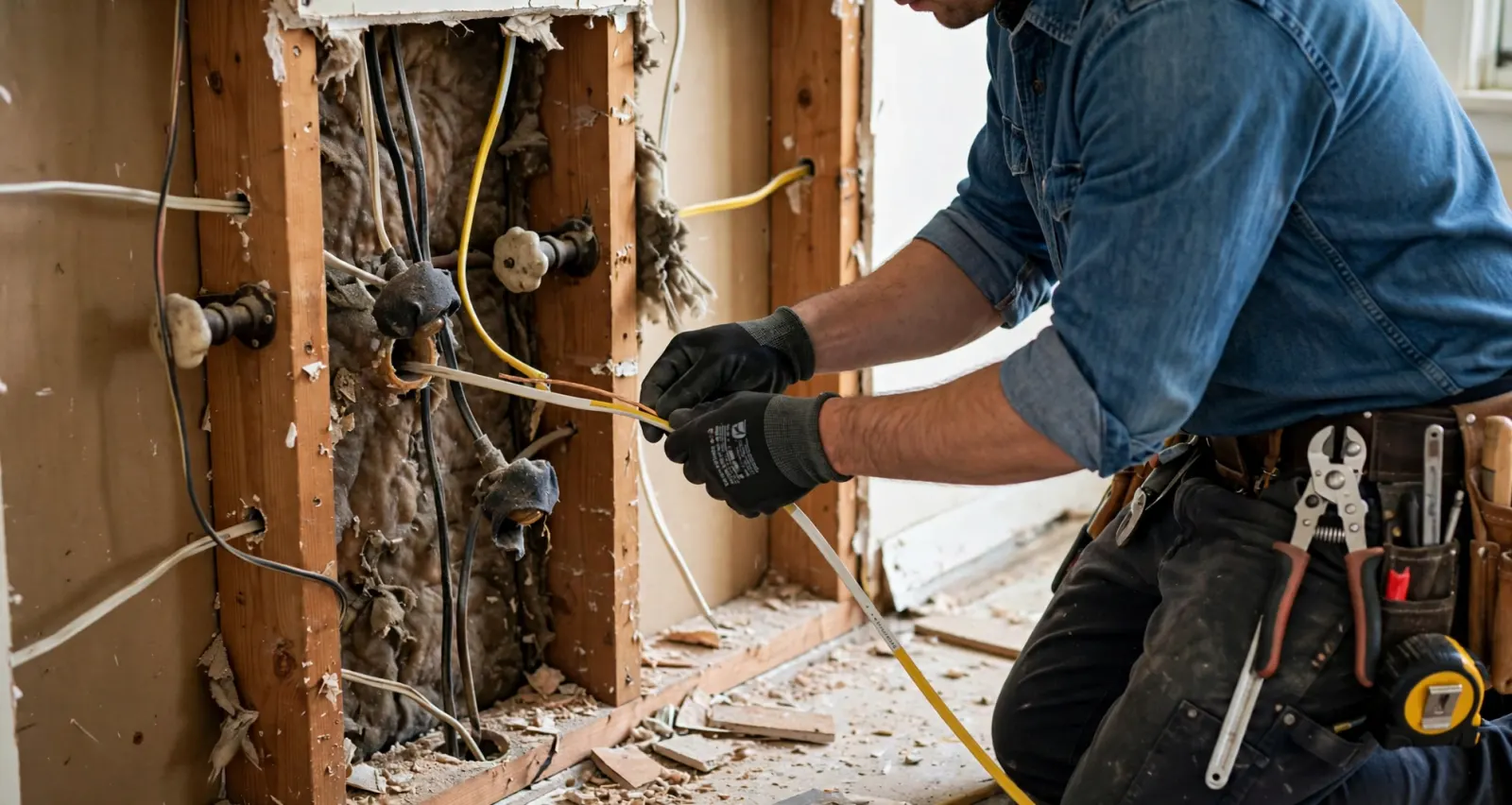
Seminole Heights and Hyde Park hold many of Tampa's bungalows and early-1900s homes, and some still have knob-and-tube or cloth wiring mixed with later circuits. Florida insurers often ask about wiring age, and some decline older systems, which is a common trigger for rewiring.
Utility: Tampa Electric (TECO)
College Park, Thornton Park and Lake Eola Heights hold many of Orlando's bungalows and early-1900s homes, and some still have knob-and-tube or cloth wiring with circuits added over the decades. Florida insurers often ask about wiring age, which is a common reason to rewire.
Utility: OUC in the city (city-owned); Duke Energy in much of the metro
Riverside, Avondale and Springfield have some of Jacksonville's oldest homes, many from the early 1900s, and they can still contain knob-and-tube, cloth-insulated wiring or a mix of eras. Rewiring is commonly done during restoration, when walls and floors are open.
Utility: JEA (city-owned)
North Hill and East Hill hold many of Pensacola's historic homes, from Victorians built during the lumber boom to 1920s bungalows, and some still have knob-and-tube or cloth wiring alongside later circuits. Humid air and termites can damage old insulation in crawl spaces and attics.
Utility: Florida Power & Light (FPL, formerly Gulf Power)
Some of Fort Lauderdale's older homes in Victoria Park, Colee Hammock and Rio Vista date from the 1920s to the 1950s, and their wiring may include cloth cable, ungrounded outlets or aluminum branch wiring added in the 1960s and 1970s. Florida insurers often ask about wiring type and age, and some decline older systems, which is a common reason to rewire.
Utility: Florida Power & Light (FPL)
The Old Northeast and Historic Kenwood are full of bungalows and Mediterranean Revival homes from the 1910s to the 1930s, and many still have knob-and-tube or cloth wiring mixed with later circuits. Florida insurers often ask about wiring age, and some decline older systems.
Utility: Duke Energy Florida
The Duckpond and Pleasant Street historic districts hold some of Gainesville's oldest homes, from the late 1800s to the 1930s, and some still have knob-and-tube or cloth wiring with circuits added over the decades. Humidity and termites can damage old insulation in crawl spaces and attics.
Utility: Gainesville Regional Utilities (GRU, city-owned)
Frenchtown and the older neighborhoods near downtown Tallahassee hold some of the city's oldest homes, and some still have cloth wiring, knob-and-tube or circuits added piecemeal over the decades. Mid-century homes may have aluminum branch wiring, which Florida insurers often ask about.
Utility: City of Tallahassee Utilities (some outlying areas: Talquin Electric Cooperative)
El Cid, Flamingo Park and Northwood are full of Mediterranean Revival and Mission-style homes from the 1920s Florida land boom, and many still have cloth-insulated wiring, ungrounded outlets or circuits added piecemeal over the decades. Florida insurers often ask about wiring age, and some decline older systems, which is a common reason to rewire.
Utility: Florida Power & Light (FPL)
Dean Park and the homes along McGregor Boulevard include some of Fort Myers' oldest houses, built in the early 1900s, with original or patched wiring, and mid-century homes may have aluminum branch circuits Florida insurers question. Homes that flooded during Ian often had wiring replaced only up to the flood line, leaving older wiring above.
Utility: Florida Power & Light (FPL)
Laurel Park and Gillespie Park hold some of Sarasota's oldest homes, bungalows from the 1910s and 1920s with original or patched wiring, and mid-century homes may have aluminum branch wiring that Florida insurers question. Rewiring often follows a four-point inspection or a renovation.
Utility: Florida Power & Light (FPL)