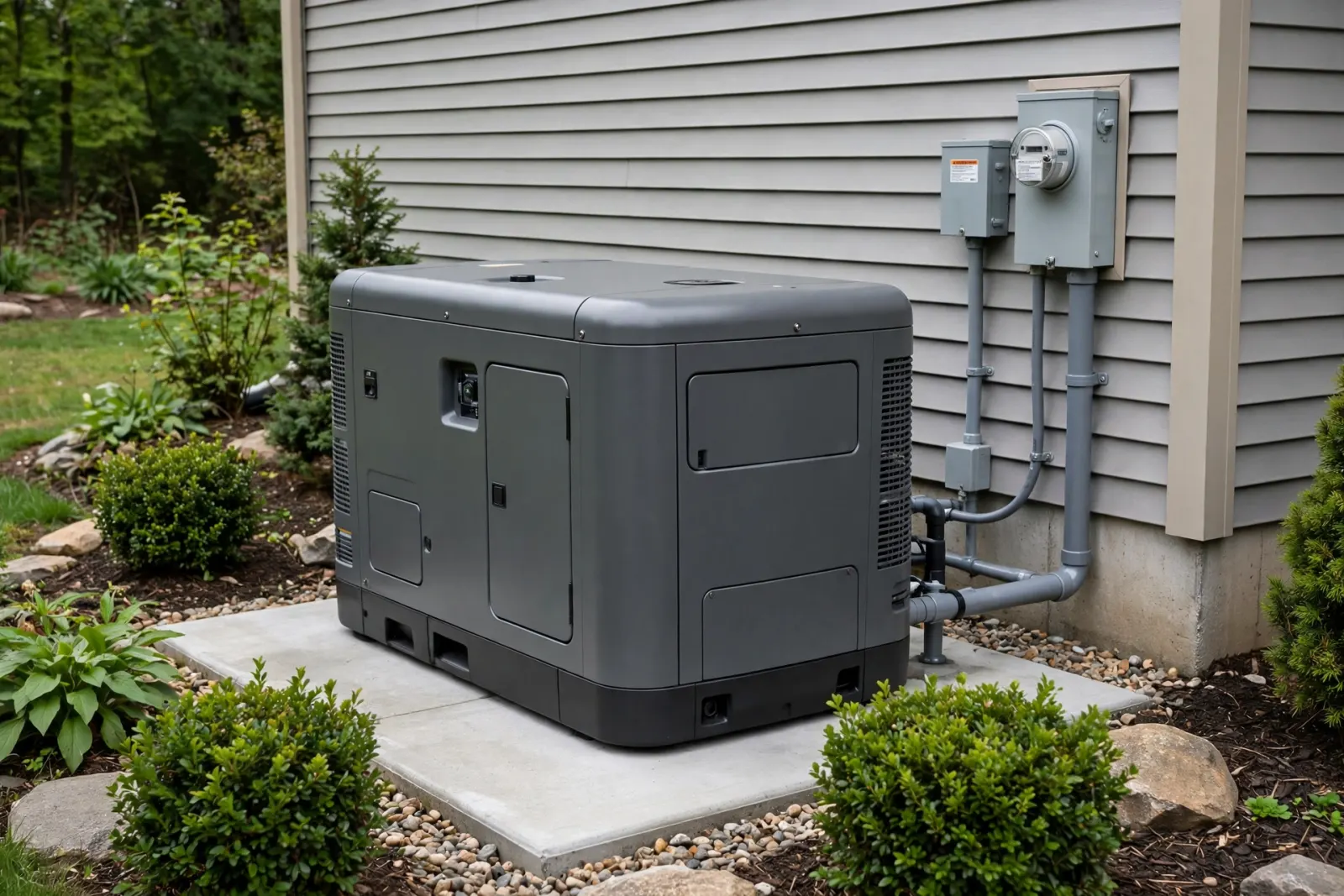
Miami homeowners who lived through long outages after hurricanes such as Irma in 2017 often install standby generators with automatic transfer switches, sized to run central air. Units must be anchored to resist hurricane winds, placed above expected flood levels, and built for salt air.
Generators, surge protection and post-storm inspections are routine, and many condo associations require licensed contractors with permits for any electrical work in units.
After Hurricane Milton in 2024 left most of Hillsborough County without power for days, many Tampa families added whole-house standby generators. The usual setup is a natural-gas or propane unit with an automatic transfer switch, sized to run central air, mounted on a raised pad where South Tampa, Davis Islands and other low areas flooded during Helene.
Older homes may have original or mixed wiring and panels, and many mid-century block homes have limited outlets. Low-lying areas near the bay are exposed to storm surge, which can reach panels, outlets and AC equipment.
Hurricane Ian in 2022 and Milton in 2024 both caused widespread outages across Central Florida, and many Orlando homeowners now choose whole-house standby generators with automatic transfer switches, sized to run central air. Natural gas from TECO Peoples Gas serves many neighborhoods; elsewhere, propane tanks are used.
Block homes from the 1950s through the 1970s may have original panels and few outlets per room. Pools are common, and pool pumps, heaters and lighting all need proper circuits, GFCI protection and bonding.
Jacksonville homes are spread over a huge area, and after storms like Irma in 2017, restoration in some neighborhoods took days. A standby generator with an automatic transfer switch, sized to run central air, is a common choice for families with older relatives or medical equipment.
Historic neighborhoods have homes with original or patched wiring, and mid-century homes may have older panels. Newer suburbs drive EV, pool and generator work.
Hurricanes Ivan in 2004 and Sally in 2020 left Pensacola-area homes without power for long stretches, and many families now keep a standby generator with an automatic transfer switch. On Pensacola Beach, Perdido Key and near the bayous, units should sit on raised platforms above expected flood levels, in enclosures built for salt air and anchored against hurricane winds.
Historic homes may have wiring from many eras, while mid-century block homes often have few outlets. Generators, surge protection and post-storm inspections are common requests.
Hurricane Wilma in 2005 left much of Broward County without power for more than a week, and Fort Lauderdale homeowners on the canals often install standby generators with automatic transfer switches, sized for central air. Units must be anchored to meet South Florida's strict wind-load rules, placed above expected flood levels, and protected from salt air.
In April 2023, a storm dropped more than two feet of rain on parts of the city in a single day, flooding homes and streets. Many homes sit near canals, and outdoor panels, meters and AC disconnects corrode in the salt air.
After Hurricanes Helene and Milton hit Tampa Bay within two weeks in 2024, many St. Petersburg homeowners added standby generators with automatic transfer switches. In flood-prone neighborhoods such as Shore Acres, Venetian Isles and Snell Isle, units should sit on raised platforms above the flood elevation and be built for salt air.
In 2024, storm surge from Hurricanes Helene and Milton flooded neighborhoods such as Shore Acres and Snell Isle, and many homes needed electrical repairs or rewiring. Older bungalows may have original or patched wiring.
Hurricanes Hermine in 2016 and Michael in 2018 brought down trees across Tallahassee's canopy and left many homes without power for days, and many families now choose standby generators with automatic transfer switches sized for central air. City of Tallahassee Utilities provides both natural gas and electricity in much of the city, and the gas meter may need upgrading for a whole-house unit.
Mid-century homes often have 100 amp panels and older wiring, while student rentals near the universities see heavy use. The tree canopy means storms frequently bring limbs down on service drops.
Hurricanes Frances, Jeanne and Wilma left much of Palm Beach County without power for days or weeks, and many West Palm Beach homeowners in El Cid, Flamingo Park and along the Intracoastal now have standby generators with automatic transfer switches. Units must be anchored for South Florida's wind loads, placed above flood levels and protected from salt air, and the historic districts may review visible placement.
1920s homes may have original wiring, and mid-century houses often have small panels or brands insurers question. Florida insurers often require four-point inspections on older homes. Condo buildings along Flagler Drive have their own association rules for electrical work.
After Hurricane Ian left most of Lee County without power in 2022, many Fort Myers homeowners installed standby generators with automatic transfer switches, sized to run central air. Units must sit on raised platforms above the flood elevation, especially along the Caloosahatchee and in McGregor Boulevard neighborhoods, and enclosures should be built for salt air and anchored against wind.
Many homes were rebuilt or repaired after Ian, often with new panels raised above flood level. Older homes may still have original panels or brands insurers question, and pools and docks add their own circuits.
Hurricane Milton made landfall near Siesta Key in October 2024, two weeks after Helene's surge, and Sarasota homeowners have since added many standby generators with automatic transfer switches. On Siesta Key, Lido Key and near the bay, units should sit on raised platforms above the flood elevation, in enclosures built for salt air and anchored against hurricane winds.
1920s bungalows can have old wiring, mid-century homes often have small panels or brands insurers question, and island homes face surge and salt-air corrosion. Florida insurers often require four-point inspections on older homes.
Naples homeowners who lived through Irma in 2017 and Ian in 2022 often install standby generators sized for the whole house, including central air and pool equipment. After Ian's record surge, units in Old Naples, Aqualane Shores and Royal Harbor are typically placed on raised platforms above the flood elevation, in enclosures built for salt air and anchored for wind.
Many homes were rebuilt or renovated after Ian, often with panels and equipment raised above flood level. Older homes may still have original panels, and large waterfront homes often have pools, docks and boat lifts with their own circuits.