
Skip to content

Nationwide · Licensed electricians in 48 states + DC

Brightlane Electric

Smoke & CO Detector Installation · California

Smoke & CO Detector Installation in California

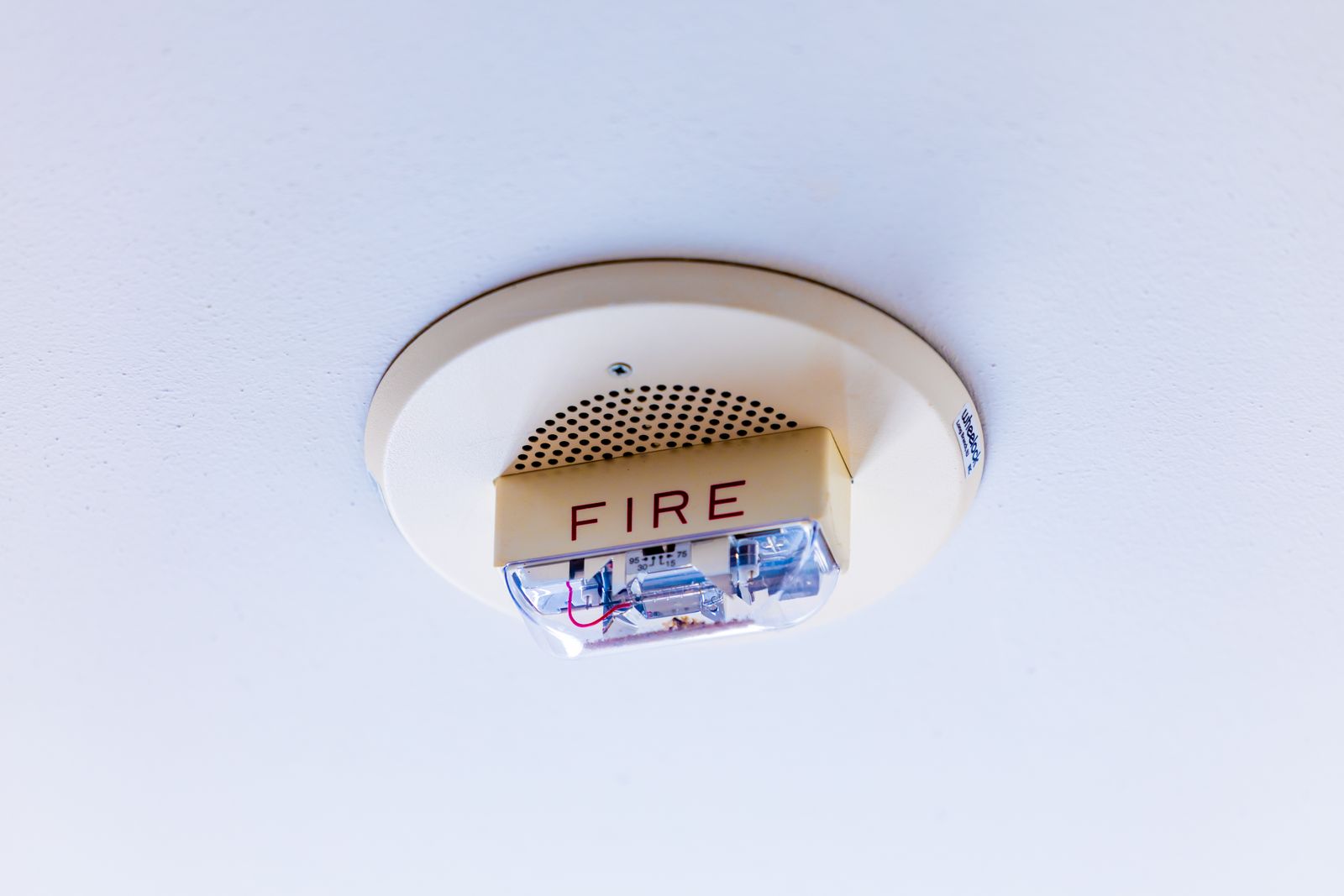
Hardwired smoke alarms should be replaced about every 10 years, and interconnected so one alarm sounds them all. Homes with gas appliances or an attached garage also need carbon monoxide alarms. An electrician installs new hardwired alarms and adds interconnection.

  • Call now to check electrician availability in your area
  • Independent, licensed electricians
  • Local guides for 8 California cities

Smoke & CO Detector Installation in California: what changes city to city

Electrification, rooftop solar and EV adoption make panel upgrades common, and wildfire-season power shutoffs drive generator and battery hookups.

Across the Pacific, homes deal with mild coast, wildfire seasons inland, and wet winters in the Northwest. Permit offices, utilities and housing stock differ by city, which affects how smoke & co detector installation is planned and scheduled. These local guides cover the California cities where we have written specific notes.

Local guides in California

Smoke & CO Detector Installation in Los Angeles, CA

California requires smoke alarms and, in homes with gas appliances or attached garages, carbon monoxide alarms, and battery-only smoke alarms sold today must have sealed ten-year batteries. In Los Angeles, the city also requires smoke alarm and CO compliance at the time of sale in many cases, and landlords must provide working alarms in rental units.

Utility: LADWP (city of Los Angeles)

Smoke & CO Detector Installation in San Diego, CA

San Diego homes near canyons face wildfire risk from outside, but working smoke alarms inside matter just as much. State law requires smoke alarms and, where there are gas appliances or attached garages, carbon monoxide alarms, and new battery-only units must have sealed ten-year batteries.

Utility: SDG&E

Smoke & CO Detector Installation in Sacramento, CA

California requires smoke alarms and, in homes with gas appliances or attached garages, carbon monoxide alarms, and new battery-only smoke alarms must have sealed ten-year batteries. Many Sacramento homes in East Sacramento, Land Park and Curtis Park have gas furnaces and water heaters, making CO alarms near bedrooms important.

Utility: SMUD (publicly owned)

Smoke & CO Detector Installation in San Francisco, CA

San Francisco requires smoke alarms and, in homes with gas appliances or attached garages, carbon monoxide alarms, and the city requires owners to comply with alarm rules at the time of sale. Victorians and Edwardians in the Mission, Noe Valley and the Haight are often split into flats, and each unit needs its own alarms.

Utility: PG&E (lines and meters); CleanPowerSF for most customers' supply

Smoke & CO Detector Installation in San Jose, CA

California requires smoke alarms in homes and, since 2011, carbon monoxide alarms in homes with fuel-burning appliances or attached garages, and new or replacement battery-only smoke alarms must have sealed ten-year batteries. Renovations in San Jose that need a permit typically trigger hardwired, interconnected alarms, and a sale may require a compliance statement.

Utility: PG&E (lines and meters); San José Clean Energy for most customers' supply

Smoke & CO Detector Installation in Long Beach, CA

California requires smoke alarms and, in homes with fuel-burning appliances or attached garages, carbon monoxide alarms, and battery-only smoke alarms sold today must have sealed ten-year batteries. Long Beach has many duplexes, fourplexes and older apartment buildings where landlords must keep alarms working in every unit.

Utility: Southern California Edison

Smoke & CO Detector Installation in Oakland, CA

Oakland's 1991 hills firestorm is a reminder of how quickly fire can spread, and working smoke alarms are the first line of defense inside the home. California requires smoke alarms and, in homes with gas appliances or attached garages, carbon monoxide alarms.

Utility: PG&E (lines and meters); Ava Community Energy for most customers' supply

Smoke & CO Detector Installation in Pasadena, CA

California requires smoke alarms and, in homes with fuel-burning appliances or attached garages, carbon monoxide alarms. Pasadena's Craftsman and period homes often have high plaster ceilings and attics that make adding hardwired, interconnected alarms slower, but renovations that require a permit typically call for them.

Utility: Pasadena Water and Power (city-owned)

Signs it's time to call

  • Alarms older than 10 years
  • Chirping that continues after a battery change
  • Alarms that do not sound together
  • Gas appliances without CO alarms

How the job usually goes

  1. 1. Check existing alarms

    Ages, locations and wiring are checked.

  2. 2. Replace and interconnect

    New alarms are installed in each bedroom, outside sleeping areas and on each level.

  3. 3. Test

    Every alarm is tested together.

What moves the price

Electricians set their own prices; local permit fees and utility requirements add to these factors.

  • Number of alarms
  • Hardwired versus wireless interconnect
  • New wiring needed
  • Combination smoke/CO units

Smoke & CO Detector Installation in California: questions

Who issues permits for smoke & co detector installation in California?

Permits come from the city or county where the home is. For example: Los Angeles: In the City of Los Angeles, electrical permits are issued by LADBS. San Diego: Inside city limits, electrical permits come from the City of San Diego Development Services Department; other cities in the county and unincorporated areas have their own building departments. Sacramento: Inside city limits, electrical permits come from the City of Sacramento Community Development Department; unincorporated areas are permitted by Sacramento County, and suburbs such as Elk Grove run their own. San Francisco: Electrical permits in San Francisco are issued by the Department of Building Inspection (DBI), and work must be done by a California-licensed electrical contractor. San Jose: Electrical permits in San José come from the city's Planning, Building and Code Enforcement department; other cities in Santa Clara County run their own building departments. Long Beach: Long Beach is its own city with its own building department, and electrical permits come from Long Beach Development Services rather than the City or County of Los Angeles. Oakland: Electrical permits in Oakland come from the city's Planning and Building Department; California electrical contractors are licensed by the Contractors State License Board. Pasadena: Pasadena has its own building department, and electrical permits come from the city's Planning and Community Development Department; Altadena is unincorporated and permitted by Los Angeles County.

Which utilities are involved in California?

Los Angeles: LADWP (city of Los Angeles). San Diego: SDG&E. Sacramento: SMUD (publicly owned). San Francisco: PG&E (lines and meters); CleanPowerSF for most customers' supply. San Jose: PG&E (lines and meters); San José Clean Energy for most customers' supply. Long Beach: Southern California Edison. Oakland: PG&E (lines and meters); Ava Community Energy for most customers' supply. Pasadena: Pasadena Water and Power (city-owned).

How often should smoke detectors be replaced?

About every 10 years from the manufacture date on the back of the alarm.

More electrical help in California

Smoke & CO Detector Installation in other states

Need smoke & co detector installation in California?

Call now and we connect you with a licensed electrician who serves your ZIP code.

Call now