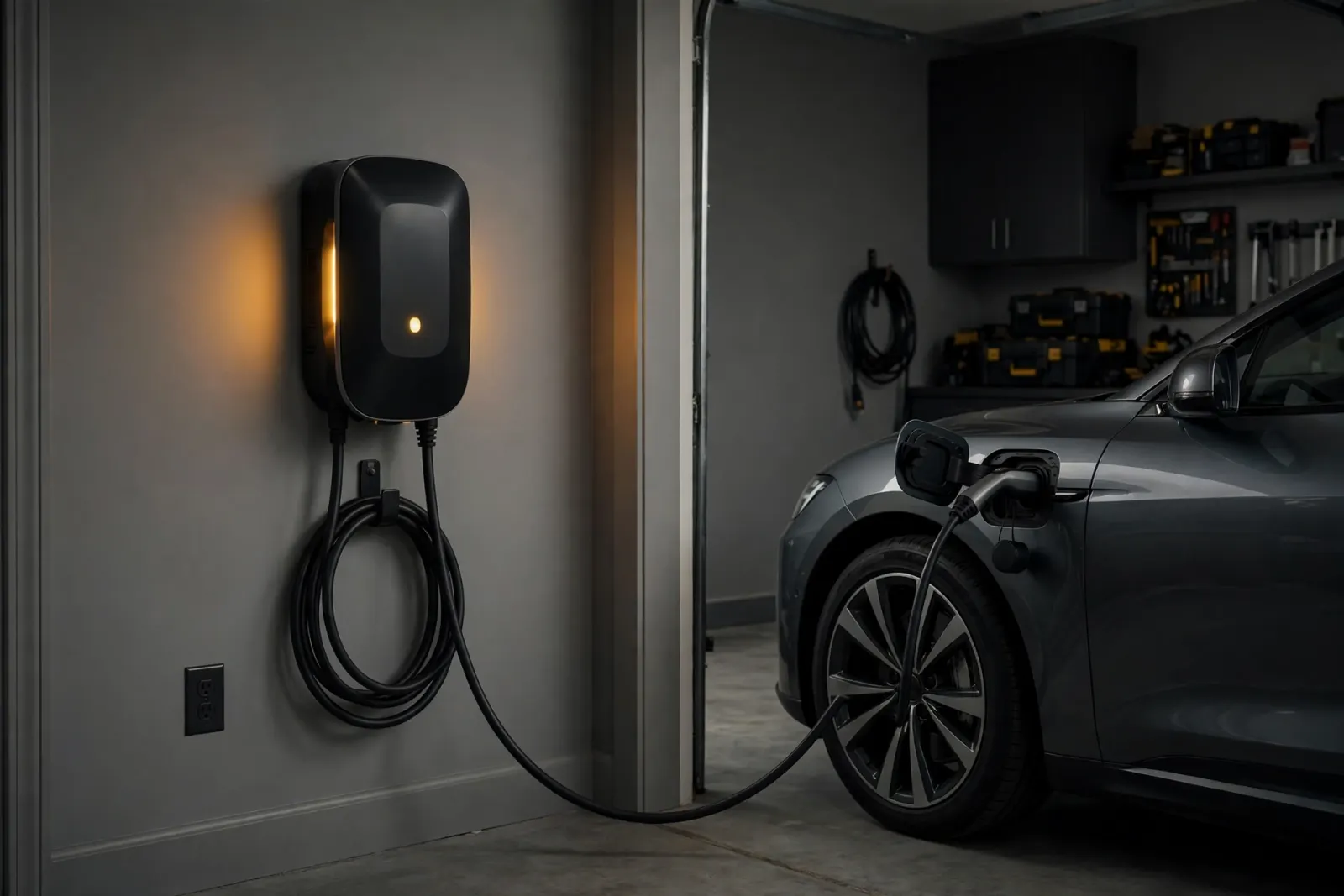
Los Angeles has one of the largest concentrations of electric vehicles in the country, and home charging is one of the most common electrical requests. The main question is panel capacity: an older 100 amp service may handle a 40 amp charger only after a load calculation, a smaller charger setting or a load-management device.
Utility: LADWP (city of Los Angeles)
Many San Diego homes already have rooftop solar, so EV charger installs often include a conversation about panel capacity and solar backfeed together. Older homes with detached garages, common in North Park and Kensington, may need a longer circuit run.
Utility: SDG&E
Sacramento's EV adoption is high, and SMUD has offered EV rate options and charger rebates that change over time. Older homes with detached garages, common in East Sacramento and Land Park, may need a longer circuit run or a trench.
Utility: SMUD (publicly owned)
Silicon Valley has one of the highest rates of EV ownership in the country, and a Level 2 charger is one of the most common electrical projects in San Jose. The usual obstacle is a 100 amp service in a 1950s or 1960s tract home that also needs to carry central air or a heat pump.
Utility: PG&E (lines and meters); San José Clean Energy for most customers' supply
Fresno homeowners adding a Level 2 EV charger usually need to account for the summer AC load first, since the two together can exceed an older 100 amp service. Many homes have solar, so the electrician should look at the whole panel, including the solar breaker, before adding a 40 or 50 amp circuit.
Utility: PG&E
Riverside commuters drive long distances across the Inland Empire, and a Level 2 charger at home makes an electric car practical. Newer homes in Orangecrest and Mission Grove usually have attached garages and larger services, while older homes in the Wood Streets may have detached garages and smaller panels.
Utility: Riverside Public Utilities (city-owned)
Bakersfield garages can get extremely hot in summer, so EV charger equipment ratings and wire sizing matter, and some chargers slow down when hot. Homes in the northwest and southwest often have solar, so the electrician should consider the whole panel, including the solar breaker, before adding a charger circuit.
Utility: PG&E
Many Long Beach homes have detached garages off an alley, especially in Belmont Heights, Bixby Knolls and Wrigley, which means the charger circuit may need to run underground across the yard from the panel. Homes without garages may need an outdoor-rated charger and careful placement near the driveway.
Utility: Southern California Edison
Anaheim's tract homes usually have attached two-car garages, which makes a Level 2 charger straightforward, though older homes with 100 amp panels may need a load calculation or a lower charger setting. Townhouses and condos near the Platinum Triangle depend on their association for charging.
Utility: Anaheim Public Utilities (city-owned)
Modesto commuters drive long distances across the Central Valley and toward the Bay Area, and a Level 2 charger at home makes an electric car practical. Newer homes in Village One and north Modesto usually have attached garages, while older homes near downtown may have detached garages and smaller panels.
Utility: Modesto Irrigation District (public utility)
Pasadena's Craftsman bungalows and period homes in Bungalow Heaven, Madison Heights and the Arroyo often have detached garages at the back of the lot, which means a long run from the panel to the charger and sometimes a trench. Older homes may also have 60 or 100 amp services, so a load calculation decides whether a 40 or 48 amp charger fits or a lower setting is better.
Utility: Pasadena Water and Power (city-owned)