
Skip to content

Nationwide · Licensed electricians in 48 states + DC

Brightlane Electric

Standby Generator Installation · South Carolina

Standby Generator Installation in South Carolina

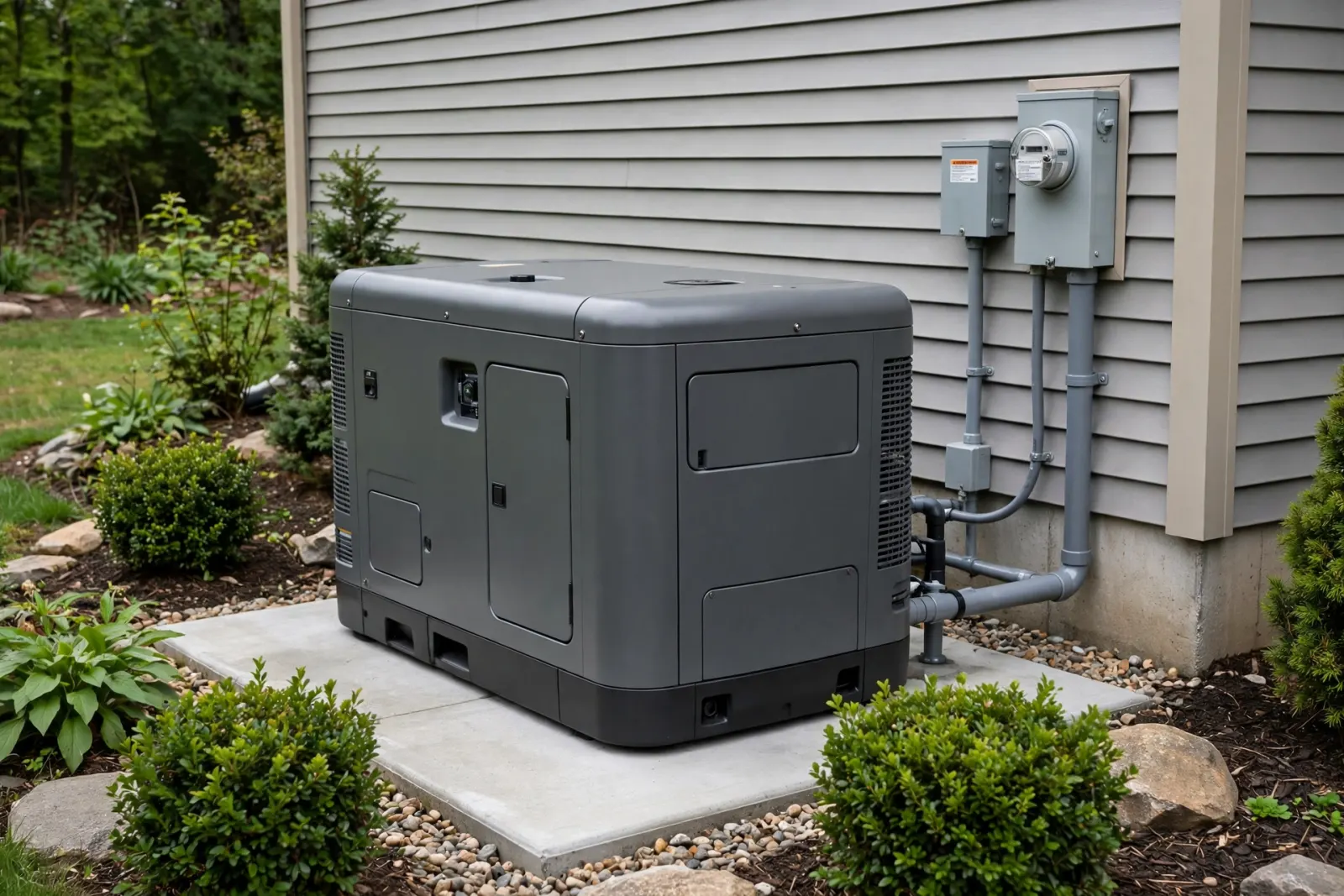
A standby generator is a permanently installed unit, usually fueled by natural gas or propane, that starts on its own when the power goes out and switches your home over through an automatic transfer switch.

  • Call now to check electrician availability in your area
  • Independent, licensed electricians
  • Local notes for 2 South Carolina cities

Standby Generator Installation across South Carolina

Standby Generator Installation in Charleston, SC

Hurricane Hugo in 1989 and storms since have left Charleston homes without power for days, and tidal flooding on the peninsula and in West Ashley adds risk. Standby generators with automatic transfer switches should sit on raised platforms above the flood elevation, in enclosures built for salt air and anchored against wind.

Historic homes may have wiring from many eras, and the city's Board of Architectural Review regulates visible exterior changes. Low-lying neighborhoods flood from storms and king tides, so elevating panels, meters and AC equipment is common.

Standby Generator Installation in Columbia, SC

Columbia's long, hot summers make losing air conditioning a real hardship, and storms, ice and hurricane remnants all cause outages. Many families choose natural-gas standby generators with automatic transfer switches sized to run central air, and Dominion Energy may need to upgrade the gas meter.

Older homes may have original wiring and small panels, and air conditioning runs hard for months, stressing older circuits. Homes in low-lying areas near creeks can face flood risk to panels and outlets.

What standby generator installation involves

Unlike a portable generator, a standby unit sits on a pad outside the home, runs a self-test each week, and takes over within seconds of an outage without anyone being home. It can power selected circuits or, if sized for it, the whole house including central air.

Installation combines electrical, fuel and site work: an automatic transfer switch at or near the panel, a gas line or propane tank sized for the unit, and a placement that meets the manufacturer's and local code clearances from windows, doors and property lines.

Signs to look for

  • Outages that last a day or more in your area
  • Medical equipment, sump pumps or home offices that cannot lose power
  • No one home to set up a portable generator during storms
  • Wanting central air or heat to run during outages
  • Natural gas already at the home

What moves the price

  • Generator size in kilowatts
  • Whole-house versus essential-circuit transfer switch
  • Distance from the panel and gas meter
  • Gas meter or propane tank upgrades
  • Pad, placement and HOA or flood-elevation requirements
  • Permits and gas work

Standby Generator Installation in South Carolina: questions

Where in South Carolina is standby generator installation common?

Our local notes cover Charleston, Columbia. Hurricane Hugo in 1989 and storms since have left Charleston homes without power for days, and tidal flooding on the peninsula and in West Ashley adds risk.

Who issues permits for standby generator installation in South Carolina?

The city or county building department where the home is. Charleston: Electrical permits inside city limits come from the City of Charleston's building inspections division; other municipalities and unincorporated Charleston County have their own. Columbia: Inside city limits, electrical permits come from the City of Columbia's building inspections; Richland and Lexington counties and nearby cities have their own.

What size standby generator do I need?

It depends on what you want to run. Essential circuits may need a smaller unit; whole-house backup with central air needs more. A load calculation decides.

Standby or portable generator?

A portable generator with an inlet and interlock costs less but has to be set up and refueled by hand. A standby unit starts and switches over by itself.

Can a standby generator run on propane?

Yes. Most run on natural gas or propane; the fuel supply must be sized for the unit.

Related help in South Carolina

Need standby generator installation in South Carolina?

Call now and we connect you with a licensed electrician who serves your ZIP code.

Call now