
Skip to content

Nationwide · Licensed electricians in 48 states + DC

Brightlane Electric

Standby Generator Installation · Texas

Standby Generator Installation in Texas

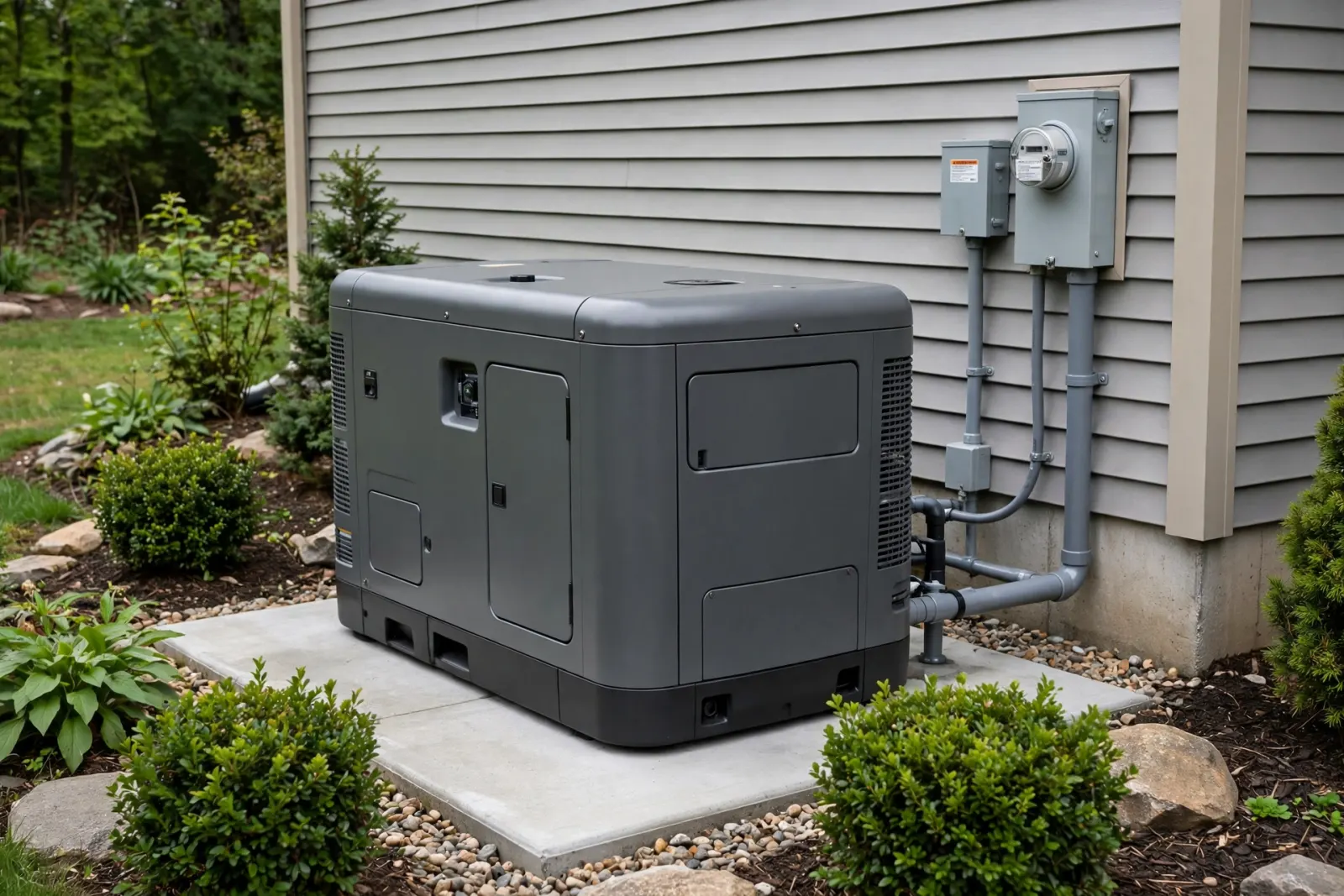
A standby generator is a permanently installed unit, usually fueled by natural gas or propane, that starts on its own when the power goes out and switches your home over through an automatic transfer switch.

  • Call now to check electrician availability in your area
  • Independent, licensed electricians
  • Local notes for 6 Texas cities

Standby Generator Installation across Texas

Standby Generator Installation in Houston, TX

After Hurricane Beryl in 2024 left more than two million CenterPoint customers without power in summer heat, many Houston families added standby generators sized to run central air. A natural-gas unit with an automatic transfer switch is the most common choice, and the gas meter may need upgrading to supply it.

After hurricanes and the 2021 winter storm, standby generators and portable-generator inlets with interlocks became some of the most requested projects in the area. Flooding is the other big factor: any outlet, panel or wiring that has been under water must be inspected before it is used again.

Standby Generator Installation in Dallas, TX

The February 2021 winter storm left millions of North Texans without power for days in freezing cold, and many Dallas homeowners have since installed natural-gas standby generators with automatic transfer switches, often sized to run the whole house. Atmos Energy may need to upgrade the gas meter to supply the unit.

Older ranch homes often have 100 amp services and limited breaker space, which becomes a problem when owners add an EV charger, a pool or a larger AC system. Some homes from the late 1960s and early 1970s have aluminum branch wiring.

Standby Generator Installation in San Antonio, TX

The February 2021 winter storm left many San Antonio homes without power for days in freezing cold, and summer heat makes outages dangerous too, so standby generators sized for heat and air have become popular. A natural-gas unit with an automatic transfer switch is the most common choice, and CPS Energy, which provides both gas and electricity, may need to upgrade the gas meter.

Older central-city homes often have small services and wiring from several eras, while 1950s and 1960s ranches may have 100 amp panels with little spare space. North-side growth brings EV chargers, pools and outdoor kitchens that add load.

Standby Generator Installation in Austin, TX

The February 2021 winter storm left much of Austin without power for days in freezing temperatures, and many homeowners have since installed natural-gas standby generators with automatic transfer switches. Texas Gas Service may need to upgrade the gas meter.

Older central homes often have 100 amp services that struggle with central air, an EV charger and solar together. Many lots have had accessory dwelling units added, which raises questions about service size and feeders to the back of the lot.

Standby Generator Installation in Corpus Christi, TX

Hurricanes such as Harvey in 2017 and Hanna in 2020 caused outages across the Coastal Bend, and many Corpus Christi homeowners choose standby generators with automatic transfer switches sized to run central air. On North Padre Island and near the bay, units should sit on raised platforms above the flood elevation, in enclosures built for salt air and anchored against wind.

Older homes may have original panels and wiring, and salt air corrodes meters, disconnects and AC units. Many homes run AC most of the year, which stresses older panels.

Standby Generator Installation in Waco, TX

After the February 2021 winter storm left many Waco homes without power for days in freezing temperatures, natural-gas standby generators with automatic transfer switches became a popular upgrade. Atmos Energy may need to upgrade the gas meter for a whole-house unit.

Older homes may have original wiring and small services, and many near Baylor are rentals. Renovations popular in recent years often add capacity for kitchens, AC and EV chargers. Pier-and-beam foundations are common in older homes.

What standby generator installation involves

Unlike a portable generator, a standby unit sits on a pad outside the home, runs a self-test each week, and takes over within seconds of an outage without anyone being home. It can power selected circuits or, if sized for it, the whole house including central air.

Installation combines electrical, fuel and site work: an automatic transfer switch at or near the panel, a gas line or propane tank sized for the unit, and a placement that meets the manufacturer's and local code clearances from windows, doors and property lines.

Signs to look for

  • Outages that last a day or more in your area
  • Medical equipment, sump pumps or home offices that cannot lose power
  • No one home to set up a portable generator during storms
  • Wanting central air or heat to run during outages
  • Natural gas already at the home

What moves the price

  • Generator size in kilowatts
  • Whole-house versus essential-circuit transfer switch
  • Distance from the panel and gas meter
  • Gas meter or propane tank upgrades
  • Pad, placement and HOA or flood-elevation requirements
  • Permits and gas work

Standby Generator Installation in Texas: questions

Where in Texas is standby generator installation common?

Our local notes cover Houston, Dallas, San Antonio, Austin, Corpus Christi, Waco. After Hurricane Beryl in 2024 left more than two million CenterPoint customers without power in summer heat, many Houston families added standby generators sized to run central air.

Who issues permits for standby generator installation in Texas?

The city or county building department where the home is. Houston: Inside city limits, electrical permits come from the City of Houston's permitting center; unincorporated Harris County and suburban cities have their own rules. Dallas: Electrical permits in Dallas come from the city's Development Services department; suburbs such as Plano, Garland and Irving issue their own. San Antonio: Inside city limits, electrical permits come from the City of San Antonio Development Services Department; suburban cities issue their own.

What size standby generator do I need?

It depends on what you want to run. Essential circuits may need a smaller unit; whole-house backup with central air needs more. A load calculation decides.

Standby or portable generator?

A portable generator with an inlet and interlock costs less but has to be set up and refueled by hand. A standby unit starts and switches over by itself.

Can a standby generator run on propane?

Yes. Most run on natural gas or propane; the fuel supply must be sized for the unit.

Related help in Texas

Need standby generator installation in Texas?

Call now and we connect you with a licensed electrician who serves your ZIP code.

Call now